

Introduction
The housing market remains a central focus for buyers, sellers, and investors in 2024. The landscape is shifting quickly, shaped by economic factors, interest rates, and changing consumer behavior. Whether you’re looking to buy your first home, sell your property, or simply stay informed, understanding current housing market trends is critical. This comprehensive guide breaks down the latest data, offers informed predictions, and explores actionable strategies for anyone involved in real estate today.
Understanding Current Housing Market Trends in 2024
Key Driving Factors in the Market
Multiple elements contribute to the ebb and flow of the housing market. Recognizing these will help you interpret current trends more clearly.
- Interest Rates: Recent hikes and pauses impact buyer affordability and seller activity.
- Inventory Levels: Limited housing supply keeps upward pressure on home prices in many regions.
- Buyer Demand: Fluctuates with changing economic confidence and generational shifts.
- Remote Work Trends: Influence migration patterns and property preferences.
Recent Market Performance
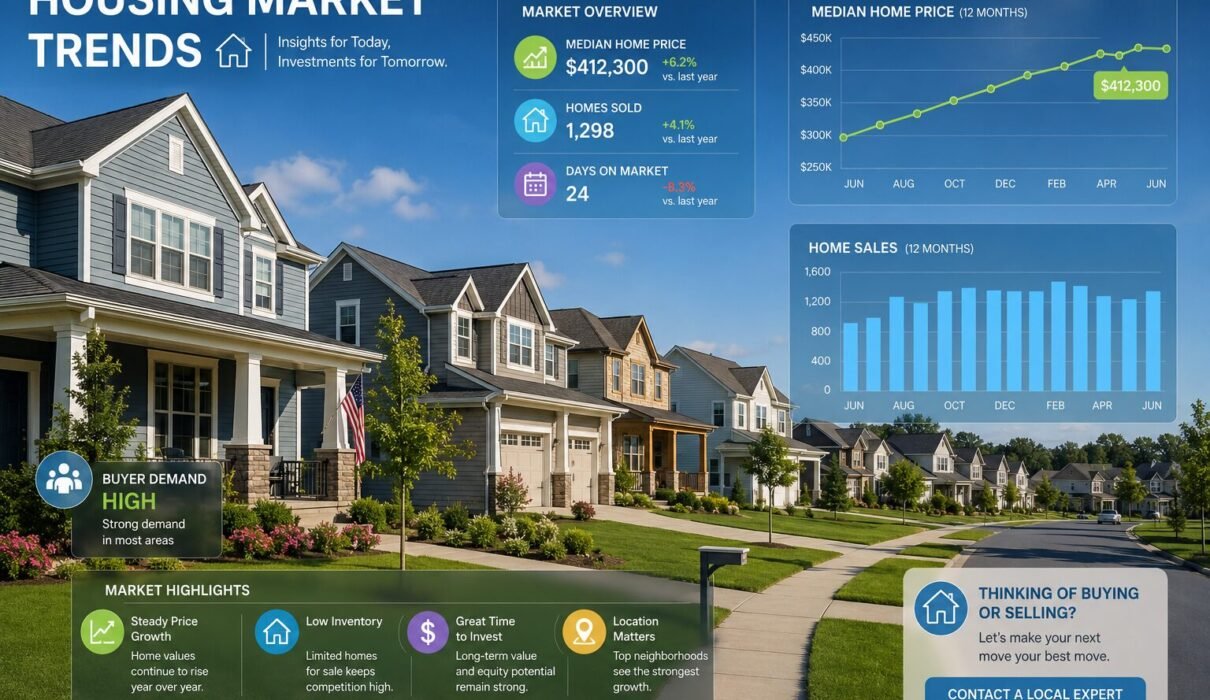
2023 saw a moderation in price growth after years of rapid appreciation. Early 2024 is showing:
- Steady demand in suburban and mid-sized markets
- Continued low inventory
- Softening prices in some overheated metro areas
- More negotiation leverage for prepared buyers
Economic Influences on the Housing Market
Mortgage Rates
Mortgage interest rates reached multi-year highs in late 2023, slowing home price growth and dampening buyer enthusiasm. As of mid-2024, rates are holding steady but remain above 6% for most loan products.
- Higher rates reduce affordability
- Some would-be sellers delay listing, fearing higher replacement costs
- Buyers with strong credit secure better financing deals
Inflation and Employment
Persistent inflation affects everything from construction costs to household budgets. However, a resilient job market is helping many buyers stay in the game.
Regional Variations in Housing Market Trends
Hot Markets Versus Cooling Regions
| Region | Current Trend | Growth Outlook |
|---|---|---|
| Sunbelt Cities (e.g., Austin, Phoenix) | Strong demand, modest price growth | Upward momentum slowing |
| Midwest Towns | High affordability, increasing interest | Stable to slightly rising |
| West Coast Metros | Price corrections, longer days on market | Mixed: some recovery expected |
| Secondary Cities | Emerging as remote work hubs | Growth likely |
Urban vs. Suburban Markets
- Urban markets: Experiencing slower growth due to higher cost of living
- Suburban areas: Popular with families seeking space and value
Buyer Insights: Navigating Today’s Market
Buyer’s Challenges in 2024
- Limited inventory leads to competitive offers
- Higher borrowing costs impact budgets
- Need for fast decision-making in desirable areas
Actionable Tips for Buyers
- Get pre-approved to strengthen your offer.
- Focus on neighborhoods with potential for appreciation.
- Be flexible with your “must-have” list for greater options.
- Work with a local real estate agent for timely alerts.
Seller Insights: Maximizing Value in a Transitional Market
Sellers’ Opportunities and Risks
Sellers still have opportunities in today’s market, but expectations must align with shifting buyer demand and rising financing costs. Pricing competitively and home presentation are more essential than ever.
- Homes in move-in condition see faster sales
- Staging and repairs boost final sale prices
- Overpricing leads to longer listing times
Top Tips for Sellers
- Price your home based on recent local sales, not just neighbor’s listings.
- Invest in small upgrades that offer high ROI—think fresh paint or landscaping.
- Be open to negotiations, especially on closing dates or minor repairs.
- Use professional photography for marketing your property online.
New Construction and Its Influence on Market Trends
Builder Activity Levels
New home construction slowed in 2023 due to higher financing costs and supply chain disruptions. However, builders are adjusting by focusing on smaller, more affordable homes in high-demand areas.
Impact on Inventory
- New builds help relieve inventory shortages in select regions
- Buyers may find more flexibility and incentives from homebuilders
Buy New or Existing Home? A Quick Comparison
| Feature | New Construction | Existing Home |
|---|---|---|
| Customization | High | Limited |
| Move-in Timeline | Often longer | Immediate |
| Location Choices | Limited, mostly new developments | Wide variety |
| Price | Typically higher | Potential value |
Housing Market Predictions for Late 2024 and Beyond
Expert Forecasts
- Slight increase in inventory as some homeowners adjust to new rate realities
- Prices to remain steady or grow modestly in affordable markets
- Mortgage rates expected to stabilize between 6% and 6.5%
- Technology to play a bigger role in home buying and selling
Long-term Trends to Watch
- Rising prominence of remote work-friendly communities
- Increased focus on sustainability and energy efficiency
- Continued migration from expensive metros to mid-size cities
Renting vs. Buying in the Evolving Housing Market
Cost Considerations
- Rent prices have risen sharply, but buying still requires substantial upfront investment
- Monthly mortgage payments may now approach or exceed local rents due to high rates
Who Should Rent?
- Those seeking flexibility or short-term living arrangements
- Individuals not ready for homeownership costs and commitments
Who Should Buy?
- Long-term residents planning at least 5+ years in the same location
- Buyers prepared for both upfront and ongoing ownership expenses
Technology & Digital Trends Shaping the Market
Digital Tools for Buyers and Sellers
- AI-driven property searches improve match accuracy
- Virtual tours streamline the home viewing process
- Digital mortgage approvals speed up financing
Online Real Estate Platforms
- Greater transparency and convenience
- Empowered consumers with data-rich insights
Sustainable and Green Housing Trends
Rise of Energy-Efficient Homes
- Demand for solar panels, energy-efficient appliances, and smart home features
Government Incentives
- Federal and state programs to support energy upgrades
Key Takeaways
- The 2024 housing market is marked by mixed trends: high rates meet resilient demand.
- Regional variations require tailored strategies for buyers and sellers.
- Experts predict stabilization, with moderate growth in affordable markets.
- Digital and green trends are shaping both buyer choices and property values.
Frequently Asked Questions (FAQ) About Housing Market Trends
1. Are home prices dropping in 2024?
While some overheated markets are seeing price corrections, many areas maintain steady or modestly rising values due to limited supply.
2. Is it still a good time to buy?
For long-term buyers, market stability and growing inventory offer new opportunities. Competitive rates may return if inflation eases.
3. Should I wait for mortgage rates to fall?
It’s impossible to time the market perfectly. If you find a home that meets your needs and budget, consider acting while rates remain manageable.
4. What market trends favor sellers right now?
Move-in ready homes in desirable neighborhoods still attract quick, competitive offers, especially with professional marketing.
5. How can technology help me as a buyer or seller?
Digital tools enable faster property searches, virtual tours, and simplified transactions, making the process more transparent for everyone.
Conclusion
The housing market trends shaping 2024 are complex but navigable with the right information. Whether you’re a buyer or seller, staying current with regional variations and expert forecasts will put you in the best position to succeed. Be proactive, work with experienced real estate professionals, and leverage digital tools to make empowered decisions. The right move in today’s market is one driven by both insight and careful planning.
Take the Next Step
If you’re ready to act or have questions about entering the housing market, reach out to a trusted local real estate advisor. Their guidance—paired with up-to-date housing market trends—can help turn your real estate goals into reality.