

Introduction
Intestinal parasite infection affects millions worldwide, posing significant health concerns. Whether you’re traveling, have young children, or are just curious about digestive health, understanding intestinal parasite infection is vital. This guide provides a detailed overview of the symptoms, treatment options, and preventive measures to help you protect yourself and your loved ones.
What Is an Intestinal Parasite Infection?
An intestinal parasite infection occurs when harmful organisms—such as protozoa or worms—invade your digestive tract. These microscopic or larger parasites can wreak havoc on your digestive system and overall health. Infections often spread through contaminated food, water, or contact with infected individuals or animals.
Common Types of Intestinal Parasites
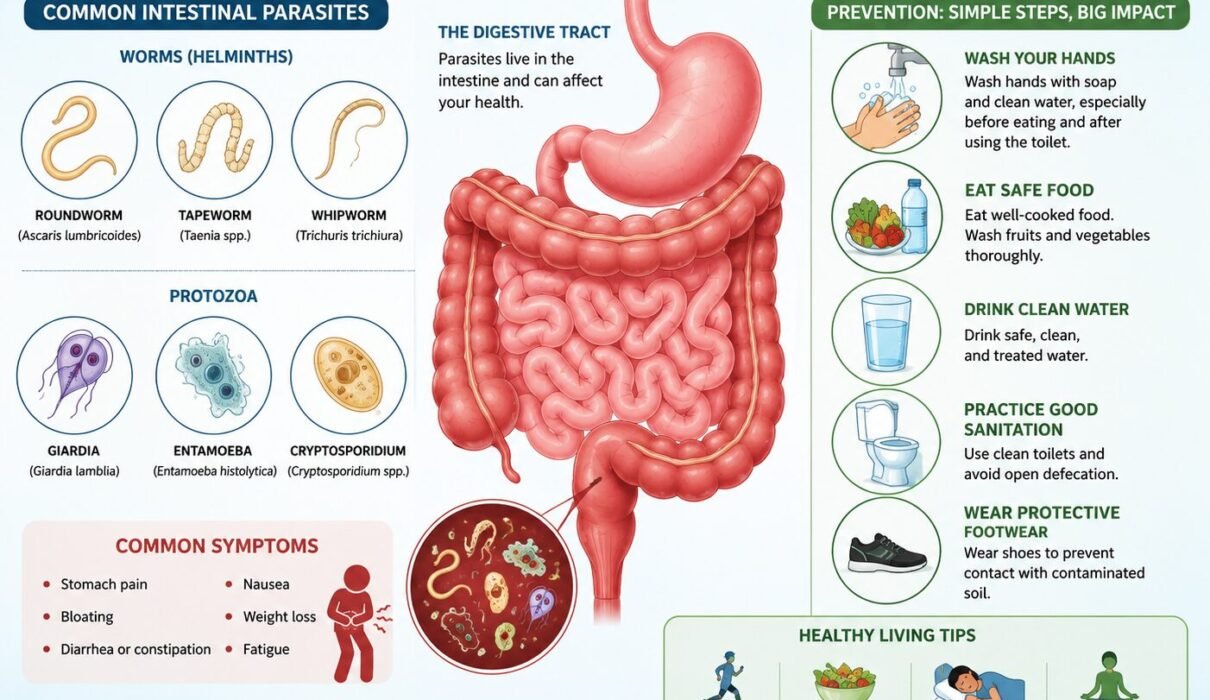
- Protozoa: Single-celled organisms, like Giardia and Entamoeba histolytica.
- Helminths: Multicellular worms, such as roundworms, hookworms, and tapeworms.
How Parasites Enter the Body
Parasites typically enter through ingestion of contaminated food or water, direct skin contact with soil, or close contact with infected animals or humans.
Symptoms of Intestinal Parasite Infection
General Symptoms
Symptoms vary depending on the parasite, but several signs commonly indicate an intestinal parasite infection.
- Abdominal pain or cramping
- Diarrhea or constipation
- Bloating and gas
- Nausea or vomiting
- Sudden weight loss
- Fatigue or weakness
- Itchy anus or skin rashes
When to See a Doctor
If you experience persistent gastrointestinal symptoms, unexplained fever, or visible worms in stool, seek medical advice promptly.
Risk Factors for Intestinal Parasite Infections
Certain groups are more prone to infection, increasing the need for awareness and preventive action.
- Children in daycare or schools
- Travelers to regions with poor sanitation
- Immunocompromised individuals
- People living in crowded or unhygienic conditions
- Pet owners and those working with animals
Diagnosis of Intestinal Parasite Infection
Diagnostic Methods
- Stool analysis: The most common method, checking stool samples for signs of parasites or eggs.
- Blood tests: Useful for certain types of parasite infections.
- Endoscopy or colonoscopy: Used in severe or unclear cases to examine the intestine directly.
- Imaging studies: Occasionally used to detect damage caused by parasites.
Importance of Accurate Diagnosis
Proper diagnosis ensures the right treatment is provided and helps prevent complications from untreated infections.
Treatments for Intestinal Parasite Infections
Prescription Medications
Treatment typically involves specific antiparasitic drugs. The type of medication depends on the identified parasite.
- Metronidazole: Commonly used for protozoan infections like giardiasis or amoebiasis.
- Mebendazole and albendazole: Effective against various helminths.
- Praziquantel: Used for tapeworms or fluke infections.
Natural and Supportive Remedies
- Stay hydrated to replace fluids lost through diarrhea.
- Maintain a nutrient-rich diet to support recovery.
- Probiotics may aid in restoring gut balance, but consult your doctor first.
Duration of Treatment
Most treatments last from a few days to a couple of weeks, but follow your doctor’s advice closely to ensure full recovery and avoid reinfection.
Prevention of Intestinal Parasite Infection
Hygiene Practices
- Wash hands thoroughly with soap and water, especially before eating and after using the toilet.
- Keep fingernails short and clean.
- Teach children the importance of good hygiene.
Safe Food and Water Practices
- Drink only filtered, boiled, or bottled water in high-risk areas.
- Cook meat thoroughly and avoid raw seafood.
- Wash fruits and vegetables before consumption.
Travel Precautions
- Research water safety in your travel destination.
- Avoid ice, uncooked foods, and street food if unsure about hygiene.
Complications from Untreated Intestinal Parasite Infection
Potential Risks
- Malnutrition due to nutrient loss
- Chronic digestive issues
- Developmental delays in children
- Liver or intestinal damage
- Increased risk of secondary infections
Comparison Table: Prescription vs Natural Remedies
| Aspect | Prescription Treatment | Natural/Supportive Remedies |
|---|---|---|
| Effectiveness | Highly effective against identified parasites | Supports overall health, limited effect on parasites |
| Time to Recovery | Usually rapid improvement within days | Varies, mostly supportive during medication |
| Doctor Supervision | Required for prescription | Recommended to avoid complications |
| Prevention of Recurrence | High if full course completed | Helps overall gut health, but doesn’t eradicate parasites |
Key Takeaways
- Intestinal parasite infections are common but preventable with good hygiene and safe food practices.
- Early diagnosis and appropriate treatment are key to recovery and avoiding complications.
- Staying informed helps protect yourself and your family from potential risks.
Frequently Asked Questions (FAQ)
What are the most common intestinal parasites?
Giardia, roundworms, hookworms, and tapeworms are among the leading culprits worldwide.
How long does an intestinal parasite infection last?
With treatment, most infections resolve in days to weeks. Untreated cases can persist and worsen over time.
Can I treat an intestinal parasite infection at home?
Supportive care helps, but confirmed cases usually require prescription medication. Always consult a healthcare professional.
Are intestinal parasite infections contagious?
Yes, some can spread through contact, especially in daycare settings or among close contacts. Good hygiene limits transmission.
How can I avoid reinfection?
Practice handwashing, cook food thoroughly, and ensure safe drinking water, especially after travel or in areas with poor sanitation.
Conclusion
Intestinal parasite infection can cause significant discomfort but is preventable and treatable. Recognizing the symptoms early, seeking prompt treatment, and adopting strong hygiene habits are your best defenses. If you suspect an infection or have questions about digestive health, don’t hesitate to consult a healthcare provider for guidance. Stay proactive in safeguarding your well-being and that of your loved ones.
Call to Action
If you found this guide helpful, subscribe to our blog for more health tips and updates. For personalized advice, reach out to your healthcare provider with any concerns about intestinal parasite infection.