

Introduction
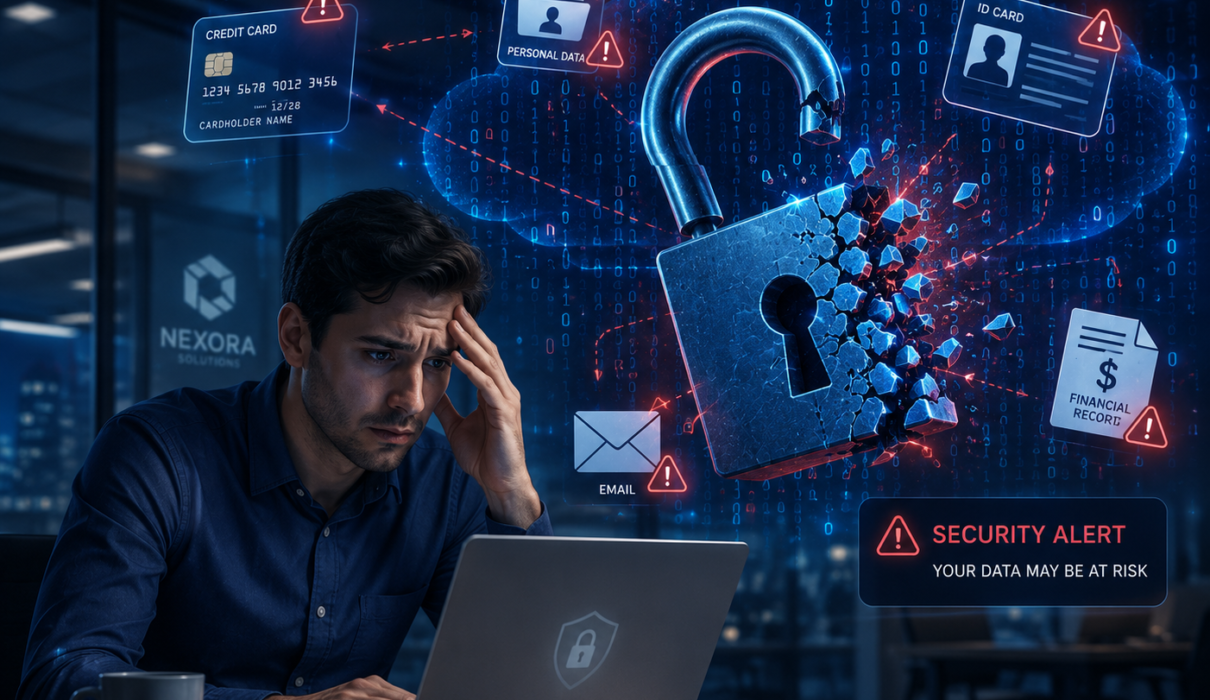
Imagine waking up to an email saying your bank account has been accessed, or learning that a company you trust has exposed millions of customer records. Data breaches are becoming increasingly common and can affect both individuals and businesses.
This guide explains what a data breach is, how breaches happen, why they matter, and the practical steps you can take to prevent and respond to them. Whether you’re concerned about identity theft or developing a security plan for your organization, this article provides actionable advice.
What Is a Data Breach?
A data breach, sometimes called a security breach or data leak, occurs when sensitive, protected, or confidential information is accessed, disclosed, or stolen by an unauthorized party.
Examples of information commonly exposed during a data breach include:
- Personal data such as names, addresses, email addresses, and identification numbers
- Financial information including credit card and bank account details
- Usernames and passwords
- Intellectual property and proprietary business information
- Medical records and other regulated data
Data breaches may result from cyberattacks, human error, insider threats, or system misconfigurations.
Types of Data Breaches
- Hacked Systems: Attackers exploit vulnerabilities to gain access to networks, servers, or cloud platforms.
- Phishing and Credential Theft: Stolen usernames and passwords provide unauthorized access.
- Insider Incidents: Employees intentionally or accidentally expose sensitive information.
- Lost or Stolen Devices: Laptops, smartphones, or storage devices containing data are misplaced or stolen.
- Misconfigured Databases: Publicly accessible databases expose customer information.
- Third-Party Breaches: Vendors or service providers experience security incidents that impact your data.
Why Data Breaches Matter
The consequences of a data breach can range from minor inconvenience to severe financial, legal, and reputational damage.
Impact on Individuals
- Identity theft and fraud
- Unauthorized financial transactions
- Loss of privacy
- Long-term credit monitoring requirements
- Emotional stress and inconvenience
Impact on Businesses
- Investigation and recovery costs
- Legal expenses and regulatory fines
- Loss of customer trust
- Operational disruption and downtime
- Damage to brand reputation
Many organizations spend months detecting and containing breaches, making prevention and rapid response essential.
Common Causes of Data Breaches
Understanding common attack methods can help you prioritize security measures.
- Weak Passwords: Easily guessed or reused passwords remain a major risk.
- Phishing Attacks: Employees are tricked into revealing credentials.
- Outdated Software: Unpatched vulnerabilities provide entry points for attackers.
- Cloud Misconfigurations: Improper settings expose sensitive data.
- Lack of Encryption: Unencrypted data is easier to access if stolen.
- Poor Access Controls: Excessive permissions increase exposure.
- Third-Party Risks: Vendors may introduce security weaknesses.
How Data Breaches Are Discovered and Reported
Breaches are often discovered by security teams, researchers, law enforcement agencies, or customers. Many jurisdictions require organizations to notify affected individuals and regulators within specific timeframes.
Prompt detection and transparent communication can reduce both legal and financial consequences.
Prevention Strategies for Individuals
You don’t need advanced technical knowledge to improve your security. Start with these best practices:
- Use strong, unique passwords for every account.
- Use a reputable password manager.
- Enable multi-factor authentication (MFA).
- Keep software and devices updated.
- Be cautious of suspicious emails and links.
- Monitor accounts for unusual activity.
- Consider freezing your credit if identity theft is a concern.
- Back up important files regularly.
Security Best Practices for Businesses
Organizations should prepare for both prevention and incident response.
Essential Security Controls
- Data Inventory: Identify and classify sensitive information.
- Least Privilege Access: Limit access to only what employees need.
- Strong Authentication: Require MFA and secure password policies.
- Encryption: Protect data both in storage and during transmission.
- Patch Management: Apply security updates promptly.
- Employee Training: Educate staff about phishing and social engineering.
- Network Segmentation: Reduce attacker movement across systems.
- Secure Backups: Regularly test backup and recovery processes.
- Vendor Risk Management: Evaluate third-party security practices.
- Incident Response Planning: Develop and test response procedures.
What to Do If You Suspect a Data Breach
Immediate Response Steps
- Contain affected systems.
- Preserve logs and evidence.
- Notify internal stakeholders.
- Determine the scope of exposure.
- Communicate with affected users when required.
- Patch vulnerabilities and reset credentials.
- Monitor for ongoing threats.
- Conduct a post-incident review.
If you suspect your personal account has been compromised, change passwords immediately, enable MFA, and contact the affected service provider.
Balancing Security, Usability, and Cost
No organization can eliminate all risk. Effective cybersecurity focuses on reducing the highest-priority threats.
- Prioritize high-impact controls such as MFA and patch management.
- Automate security processes when possible.
- Protect the most sensitive information first.
- Review risks regularly and adjust controls as needed.
Legal and Regulatory Considerations
Many industries and regions have specific requirements for protecting personal data and reporting breaches.
- GDPR: European Union regulations requiring breach notifications and strong privacy protections.
- HIPAA: U.S. healthcare regulations protecting patient information.
- PCI DSS: Standards for securing payment card data.
Organizations should consult legal and compliance professionals to ensure adherence to applicable regulations.
Tools and Technologies That Help Prevent Data Breaches
- Endpoint Detection and Response (EDR)
- Security Information and Event Management (SIEM)
- Identity and Access Management (IAM)
- Managed Detection and Response (MDR)
- Cloud Security Posture Management (CSPM)
- Data Loss Prevention (DLP) Software
The right technology stack depends on your organization’s size, industry, and security requirements.
Common Misconceptions About Data Breaches
- “Only large companies are targeted.” Small and medium-sized businesses are frequent targets.
- “Backups solve everything.” Backups are important but must be secure and regularly tested.
- “Compliance means security.” Compliance is only a starting point and does not guarantee protection.
Frequently Asked Questions
How Long Does It Take to Detect a Data Breach?
Detection times vary significantly. Some breaches are identified within hours or days, while others remain undiscovered for months.
Will a Data Breach Always Lead to Identity Theft?
No. However, exposure of personal or financial information increases the risk and should be taken seriously.
Should an Organization Pay a Ransom?
Law enforcement agencies generally advise against paying ransoms because there is no guarantee of data recovery and payments encourage criminal activity.
How Much Does a Data Breach Cost?
Costs vary based on breach size, industry, regulatory requirements, and recovery efforts.
Can Cloud Services Prevent Data Breaches?
Cloud providers offer strong security features, but organizations remain responsible for proper configuration and access controls.
Conclusion
Data breaches can affect anyone, but many incidents are preventable with basic cybersecurity practices. Strong passwords, multi-factor authentication, software updates, employee awareness training, and incident response planning significantly reduce risk.
For businesses, prioritizing data inventory, encryption, access controls, and vendor management can help minimize both the likelihood and impact of a breach.
Cybersecurity is not a one-time project. It is an ongoing process that requires continuous improvement and vigilance.
Stay informed, stay vigilant, and take proactive steps to protect your personal and business data.