

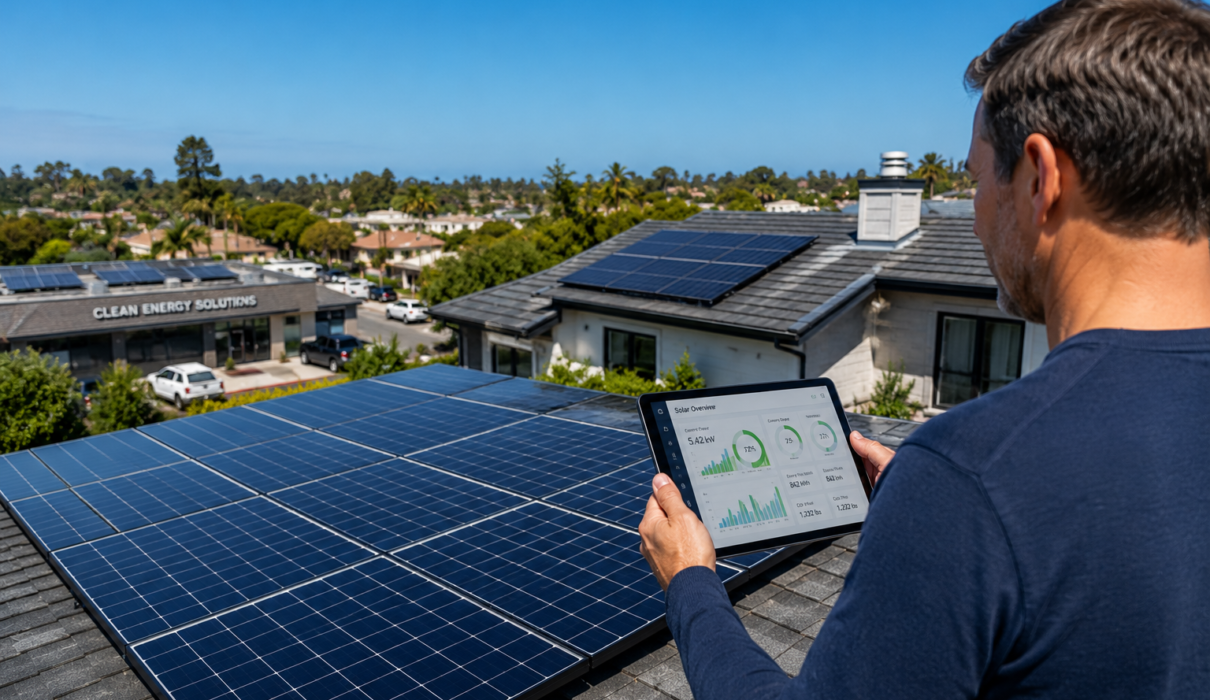
Hook: Thinking about cutting energy bills, reducing your carbon footprint, or future-proofing your home or business? Solar energy could be the answer. This guide walks you through everything you need to know, in plain language, so you can make confident decisions about switching to solar power.
Introduction: Why solar energy matters now
Solar energy is one of the fastest growing forms of renewable energy worldwide. Advances in photovoltaic technology, falling costs, and stronger policy incentives make now a great time to explore solar. Whether you want to learn the basics or are considering an installation, this guide covers how solar works, what it costs, how to maintain a system, and practical tips to get started.
How solar energy works
At its core, solar energy converts sunlight into electricity using photovoltaic cells or concentrated solar systems. The most common solution for homes and businesses is a photovoltaic, or PV, system made of solar panels, an inverter, mounting hardware, and optional battery storage.
Key components of a solar PV system
- Solar panels: Convert sunlight into direct current, or DC electricity.
- Inverter: Converts DC to alternating current, AC, which powers appliances.
- Mounting hardware: Secures panels on your roof or on ground mounts.
- Monitoring system: Tracks energy production and system health.
- Battery storage (optional): Stores excess energy for use when the sun isnt shining.
How energy flows in a typical setup
- Sunlight hits panels and generates DC power.
- Inverter converts DC to AC for home use.
- Electricity first supplies on-site loads; excess is exported to the grid or stored in batteries.
- Net metering or feed-in tariffs can credit exports back to your utility bill depending on local rules.
Benefits of solar energy
Installing solar offers multiple advantages beyond lower energy bills. Here are the top benefits to consider.
Financial savings
- Lower monthly electricity bills by generating your own power.
- Long-term return on investment as panels typically last 25 years or more.
- Increased property value; many buyers value homes with solar.
Environmental impact
- Reduces greenhouse gas emissions compared to fossil fuels.
- Supports local air quality by cutting reliance on combustion-based power plants.
Energy independence and resilience
- Less vulnerability to grid outages when paired with battery storage.
- Predictable energy costs that help hedge against rising utility rates.
Types of solar installations
Choosing the right type of installation depends on roof orientation, budget, energy needs, and local regulations.
Roof-mounted systems
- Most common for residential properties.
- Lower installation cost since existing structure is used.
- May need structural assessment for older roofs.
Ground-mounted systems
- Ideal for properties with open land and shade-free exposure.
- More flexible tilt angles and easier maintenance.
- Higher installation cost due to additional mounting and groundwork.
Commercial and industrial systems
- Large-scale rooftop or ground-mounted arrays for businesses or farms.
- Often combined with energy management systems to optimize consumption.
Costs and financing options
Cost is a major consideration when evaluating solar energy. While sticker prices vary, several financing options can make solar affordable.
What affects the cost
- System size in kilowatts: Larger systems cost more but produce more energy.
- Panel type: High-efficiency panels cost more per watt.
- Installation complexity: Roof pitch, type, and access influence labor costs.
- Permits, interconnection, and inspections add to soft costs.
- Battery storage significantly increases upfront costs.
Financing and incentives
- Cash purchase: Highest long-term value but requires capital.
- Solar loans: Low or zero-down loan products that let you pay over time.
- Leases and power purchase agreements: Third-party ownership options that require less upfront cost but offer different financial benefits.
- Tax credits and rebates: Many regions provide federal, state, or local incentives that reduce net cost.
How to choose the right solar installer
Picking a reputable installer is critical to system performance and long-term satisfaction. Use the following checklist when comparing providers.
Installer selection checklist
- Licenses and certifications: Look for local licenses and certifications such as NABCEP where applicable.
- Insurance and warranties: Confirm contractor insurance and system warranties for panels, inverters, and workmanship.
- Customer reviews and references: Read recent reviews and ask for local references.
- Detailed proposals: Get written quotes showing system size, estimated production, equipment specs, and payback analysis.
- Permitting and interconnection support: A good installer handles paperwork and coordinates with your utility.
Installation process and timeline
A typical residential installation takes a few weeks to a few months from first consultation to final connection. Here are the stages.
Installation timeline
- Site assessment and quote: 1-2 weeks.
- Design and permitting: 2-6 weeks depending on local authorities.
- Installation: 1-3 days for roof-mounted systems, longer for larger projects.
- Inspection and interconnection: 1-4 weeks based on utility schedules.
Maintenance and performance optimization
Solar energy systems require minimal maintenance, but a few simple steps can keep them operating efficiently for decades.
Routine maintenance tips
- Keep panels clean: Rinse debris and dust, especially in dry or dusty climates.
- Trim nearby trees: Prevent shading and falling branches.
- Monitor system output: Use online monitoring tools to detect drops in production.
- Schedule inspections: Have a professional check wiring and mounting every few years.
When to call a professional
- Significant drop in energy production not explained by weather.
- Physical damage after storms.
- Inverter alarm or system fault codes.
Solar plus storage: Should you add batteries?
Battery storage adds resilience and enables time-shifting of energy use, but it also increases system cost. Consider batteries if you want backup power during outages, live in an area with time-of-use rates, or aim for greater energy independence.
Benefits of adding batteries
- Provides backup power for critical loads during outages.
- Maximizes self-consumption of solar energy.
- Can reduce demand charges for some commercial customers.
Drawbacks and trade-offs
- Higher upfront costs and additional maintenance considerations.
- Battery lifespan and replacement costs should be factored into ROI.
Common myths and facts about solar energy
- Myth: Solar panels dont work on cloudy days. Fact: They still produce energy, though at reduced output.
- Myth: Solar is too expensive. Fact: Costs have dropped dramatically and incentives often make systems affordable.
- Myth: Solar panels require constant maintenance. Fact: Maintenance is minimal compared to other home systems.
Practical tips to evaluate if solar is right for you
- Check your past 12 months of utility bills to estimate energy usage.
- Assess roof age and orientation. South-facing roofs with minimal shading are ideal in many regions.
- Request multiple quotes and ask for detailed production estimates.
- Explore local incentives and financing programs to reduce upfront costs.
FAQ
How much does a solar energy system cost?
Costs vary widely based on system size, location, equipment quality, and incentives. National averages can provide a ballpark, but the best way to know is to get local quotes. After incentives, many homeowners see payback periods between 5 and 12 years.
Will solar panels work on an apartment or condo?
Individual rooftop installations may be limited for apartments, but renters and condo owners can explore community solar programs, shared solar arrays, or green energy utility plans.
How long do solar panels last?
Most panels come with performance warranties of 25 years and can continue producing electricity beyond that with gradual efficiency decline. Inverters and batteries may need replacement sooner.
Do I need batteries with solar?
No, batteries are optional. Grid-tied systems without batteries are the most common and often the most cost-effective. Batteries offer backup and greater independence, which may be worth the investment for some users.
Are there incentives available?
Many countries, states, and municipalities offer incentives such as tax credits, rebates, and net metering policies. Check local government programs and national energy offices for current information.
Conclusion
Solar energy offers an attractive mix of financial, environmental, and resilience benefits. With declining costs, improved technology, and flexible financing options, more homeowners and businesses can benefit from solar than ever before. If youre curious, start by assessing your energy use, exploring local incentives, and requesting multiple quotes from certified installers. With the right planning, you can make a confident move toward cleaner, cheaper energy.
Next steps: Get a free solar assessment, compare quotes, and learn about tax credits and rebates in your area to discover the best way to adopt solar power today.