

Introduction
If you’re planning to buy a home or refinance your current mortgage, understanding mortgage rates is essential. Mortgage rates affect your monthly payments and overall home buying budget, so even a small difference can save—or cost—you thousands over the life of your loan. In this guide, we’ll break down what mortgage rates are, what drives them, what current rates look like, and practical strategies to get the best deal.
What Are Mortgage Rates?
Defining Mortgage Rates
Mortgage rates refer to the interest charged on a home loan. This percentage is applied to the loan balance you owe and determines how much you pay to borrow money for your house.
- Fixed-rate mortgages have interest rates that stay the same for the entire loan term.
- Adjustable-rate mortgages (ARM) start with a lower rate that changes over time based on market conditions.
Why Mortgage Rates Matter
Your mortgage rate will directly affect your monthly payment and the total cost of your home. Lower rates mean less interest paid over the life of the loan, making your home more affordable.
Current Mortgage Rates Snapshot
Average Rates for Different Loan Types
| Loan Type | Interest Rate (as of June 2024) |
|---|---|
| 30-Year Fixed | 6.85% |
| 15-Year Fixed | 6.15% |
| 5/1 ARM | 6.55% |
Note: Actual rates vary by lender, region, and borrower profile.
Where to Find Up-to-Date Rates
- Lender websites
- Major financial news outlets
- Government agencies like Freddie Mac and Fannie Mae
What Influences Mortgage Rates?
Economic Factors
- Federal Reserve policies: Changes in the federal funds rate impact mortgage rates.
- Inflation: Rising inflation tends to push mortgage rates higher.
- Bond market fluctuations: Mortgage rates are closely tied to the 10-year Treasury yield.
Personal Factors
- Credit score: Higher credit scores secure lower rates.
- Down payment: A larger down payment can reduce your rate.
- Debt-to-income ratio: Lenders prefer borrowers with less debt compared to their income.
Fixed vs. Adjustable Mortgage Rates
Fixed-Rate Mortgages
Provide consistent payments throughout the loan, making budgeting easier and protecting against rising rates.
Adjustable-Rate Mortgages (ARMs)
Offer lower introductory rates but may increase over time, potentially leading to higher payments in the future.
- Pros: Lower initial rates, potential short-term savings.
- Cons: Uncertainty about future payment amounts.
How to Compare Mortgage Rates Effectively
What to Look For
- Annual Percentage Rate (APR): Shows the real cost including fees and points.
- Points: Fees paid upfront to reduce your rate. Consider if “buying down” the rate is worth it.
- Loan term: Shorter loans usually have lower rates but higher monthly payments.
Using Online Tools
Use mortgage calculators and rate comparison websites to evaluate options side by side. Always get personalized quotes from lenders based on your unique financial profile.
Actionable Tips to Secure the Best Mortgage Rates
1. Improve Your Credit Score
- Pay bills on time
- Reduce debt balances
- Dispute errors on your credit report
2. Save for a Larger Down Payment
- Aim for at least 20% to avoid private mortgage insurance (PMI) and qualify for better rates.
3. Shop Around for Lenders
- Contact multiple lenders, including banks, credit unions, and online lenders.
- Ask about rate locks and fees.
4. Consider Loan Programs
- Look into government-backed loans (FHA, VA, USDA) if you qualify.
- These programs may offer competitive rates with lower credit or down payment requirements.
5. Lock In Your Rate
- Once you find a favorable rate, consider locking it in before rates change.
Understanding Points, Fees, and APR
Mystery of Points
“Points” are upfront fees you can pay to lower your interest rate. One point equals 1% of your loan amount. If you plan to stay in your home for a long time, paying points can save money in the long run.
Don’t Forget About Fees
- Origination fees
- Underwriting fees
- Appraisal and inspection costs
Annual Percentage Rate (APR)
The APR combines the interest rate and all lender fees to show the total cost of borrowing.
Key Mortgage Rate Trends 2021–2024
Recent Changes
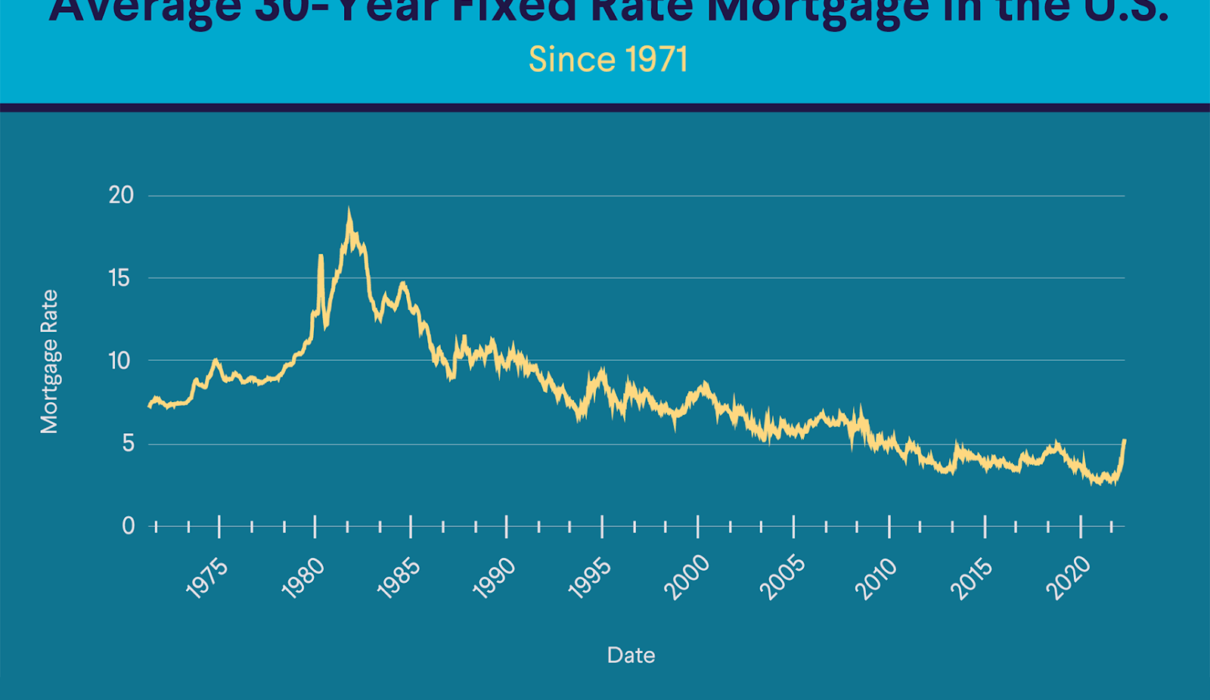
Mortgage rates have fluctuated in response to economic recovery, inflation, and Federal Reserve actions. After historic lows in 2021, rates rose steadily into 2024.
What Experts Forecast
- Gradual stabilization around current levels, barring major economic shifts.
- Potential decreases if recession risks rise.
Comparison Table: Fixed vs. ARM Rates
| Fixed Rate | Adjustable Rate | |
|---|---|---|
| Initial Rate | 6.85% | 6.55% |
| Rate Changes | No | Yes, after initial period |
| Best For | Long-term buyers | Short-term or flexible buyers |
| Payment Stability | High | Low |
Refinancing and Its Impact on Your Mortgage Rate
When Does Refinancing Make Sense?
- If you can lower your rate by at least 1%.
- To move from an ARM to a fixed-rate for stability.
- If your credit score or finances have significantly improved.
Cautions
Refinancing comes with closing costs and may reset your loan term. Weigh savings against these costs.
Key Takeaways
- Mortgage rates are central to your home purchase cost.
- Rates are influenced by both economic and personal factors.
- Comparing offers and improving your financial profile can help you secure the best deal.
- Fixed and adjustable mortgage rates offer pros and cons—choose what fits your plans.
Frequently Asked Questions (FAQ)
What is a good mortgage rate in 2024?
A good rate depends on your credit and loan type, but rates in the mid-6% range are competitive as of mid-2024.
Can I negotiate my mortgage rate?
Yes, lenders can sometimes offer lower rates or reduce fees, especially if you have strong financials or competing offers.
How long do I need to lock in a rate?
Rate locks usually last 30 to 60 days. Confirm with your lender before committing.
Should I pay points to lower my rate?
If you plan to stay in your home for a long time, paying points could save you money. Calculate your break-even period to decide.
Conclusion
Understanding mortgage rates is key to making smarter homebuying or refinancing decisions. By researching current rates, checking multiple lenders, and optimizing your finances, you can secure the best mortgage rates for your situation. Remember, even small shifts in rates matter over time—so take control of your mortgage journey with the information and tips from this guide.
Ready to find your best mortgage rate?
Start by checking your credit, exploring offers from different lenders, and using online tools to compare personalized rates. Still have questions? Speak to a trusted mortgage professional for tailored guidance.