

Introduction
Today’s housing market changes fast, and so do current mortgage rates. Whether you’re a first-time buyer or looking to refinance, understanding these rates could mean thousands in savings. In this guide, you’ll discover what drives rates, how to track changes, and strategies for finding the best deals. Let’s break down the complexities of mortgage rates so you can make confident, informed decisions about your home financing.
What Are Current Mortgage Rates?
The Basics Explained
Current mortgage rates are the interest charges you’ll pay when borrowing to purchase or refinance a home. These rates change daily and are influenced by a mix of economic forces, lending policies, and even global events.
- Fixed vs. Adjustable: Fixed rates stay the same throughout your loan, while adjustable ones may fluctuate.
- Loan Type: Rates differ for 15-year, 30-year, FHA, VA, and jumbo loans.
Why Rates Matter
Even small percentage changes can impact your monthly payment and the total amount you repay. Monitoring the latest rates can help you time your home purchase or refinance for maximum savings.
How Are Mortgage Rates Determined?
Main Influencing Factors
- Economic Indicators: Inflation, unemployment, and overall economic health.
- The Federal Reserve: While it doesn’t set mortgage rates, its policies on interest rates have indirect effects.
- Bond Markets: Mortgage rates often follow the yield of the 10-year U.S. Treasury note.
- Lender Competition: Lenders adjust rates to stay competitive in the market.
Your Personal Profile
- Credit Score: Higher scores can qualify you for better rates.
- Down Payment: Larger down payments often secure lower rates.
- Loan-to-Value Ratio (LTV): The lower your LTV, the less risky you appear to lenders.
Current Mortgage Rate Trends (2024)
Where Rates Are Heading
Mortgage rates in 2024 have shown significant fluctuation due to persistent inflation and changing Fed policies. Experts suggest that rates may start trending downward as inflation moderates, but still remain above historic lows.
| Loan Type | Average Rate – Early 2024 |
|---|---|
| 30-year Fixed | 6.8% – 7.0% |
| 15-year Fixed | 6.2% – 6.4% |
| 5/1 ARM | 6.0% – 6.3% |
Historic vs. Current Rates
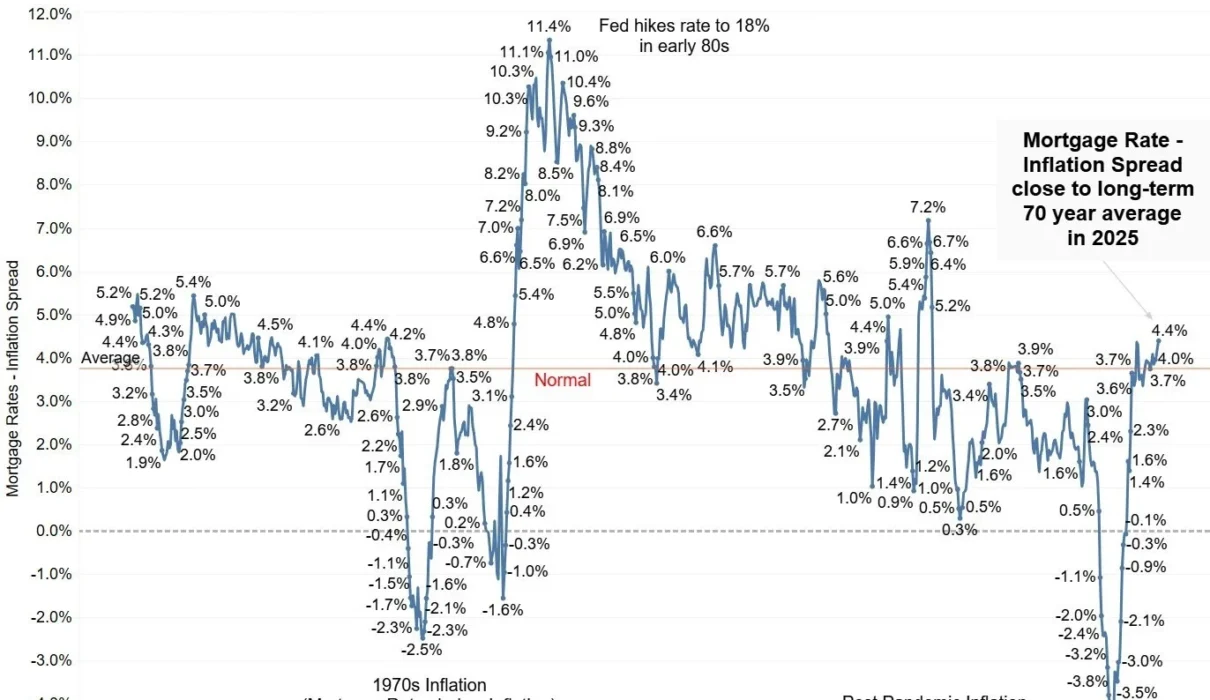
Historically, mortgage rates have ranged from double digits in the 1980s to record lows below 3% in 2021. Recent rates are higher, but still moderate compared to those long-term averages.
How to Find the Best Current Mortgage Rates
Comparing Lenders
- Research Online: Use comparison tools to check multiple lenders.
- Request Personalized Quotes: Your unique profile influences the rate offered.
- Negotiate: Don’t be afraid to ask lenders to match or beat competitors.
Key Tips for Lower Rates
- Increase your credit score before applying
- Consider a larger down payment
- Pay down existing debt to improve your DTI ratio
- Opt for shorter-term loans, if feasible
How Current Mortgage Rates Affect Homebuyers
Monthly Payments
A higher rate means bigger monthly payments. For example, a $400,000 loan at 7% costs about $2,661/month (principal + interest), while at 6% it drops to $2,398/month.
Home Affordability
Even a small change in rates influences how much house you can afford, directly impacting your buying power.
Examples
- At 7%: $400,000 loan = $2,661/month
- At 6%: $400,000 loan = $2,398/month
Understanding Refinancing & Current Rates
When Does Refinancing Make Sense?
If you can lower your rate by at least 0.5% to 1%, refinancing could save you thousands over the life of your loan.
- Check for closing costs
- Consider your timeline in the home
- Assess break-even points
Refinance Steps
- Shop for offers from multiple lenders
- Calculate your new monthly and total costs
- Submit an application with the chosen lender
Common Mistakes to Avoid
- Focusing only on the interest rate (ignore closing costs at your peril!)
- Not getting multiple quotes for comparison
- Overextending your budget despite attractive rates
- Forgetting to lock in your rate
Key Takeaways
- Current mortgage rates influence both your monthly payment and total financing costs.
- Rates fluctuate due to economic, personal, and lender-specific factors.
- Shopping around and maintaining a high credit score are your best tools.
- Refinancing at the right time can lead to significant savings.
FAQ: Current Mortgage Rates Explained
How often do current mortgage rates change?
Rates can change daily or even multiple times a day based on market conditions and economic news.
Do I need perfect credit to get a good rate?
No. While higher scores help, many lenders offer competitive rates to borrowers with average credit. Improving your score will increase your options.
Should I choose a fixed or adjustable rate?
Fixed rates offer stability, while adjustable rates start lower but can fluctuate. Consider how long you’ll stay in the home and your risk tolerance.
What is a rate lock?
A rate lock guarantees your quoted rate for a set period, shielding you from market swings until you close.
Are there ways to lower my mortgage rate?
Absolutely! Shop around, improve your credit score, pay points at closing, or consider a shorter loan term.
Conclusion
Understanding current mortgage rates is essential for buyers and homeowners alike. By monitoring trends, comparing lenders, and knowing your financial profile, you can save money whether you’re buying or refinancing. Ready to begin? Start your rate search today—and take control of your home finances.
Call to Action
Stay in the know: Subscribe for the latest updates on mortgage rates and tips for home buyers. Or, use our free mortgage rate comparison tool now to get customized rates from top lenders!