

Introduction
Every day, millions of New Yorkers take in the city’s energy—and its air. But what do we really know about air quality in NYC? Whether you’re concerned about pollution, want real-time data, or just want to protect your family’s health, understanding the city’s air quality is essential. Let’s explore air quality in New York City: what drives it, how it impacts life, and what you can do to breathe easier in the urban jungle.
What Is Air Quality? Understanding the Basics
Defining Air Quality
Air quality is a measure of how clean or polluted the air is. In NYC, it’s usually described by the Air Quality Index (AQI), which ranges from 0 (excellent) to 500 (hazardous). The AQI considers pollutants like ozone, particulate matter (PM2.5 and PM10), nitrogen dioxide, sulfur dioxide, and carbon monoxide.
- Good (0-50 AQI): Air poses little or no risk.
- Moderate (51-100 AQI): Acceptable for most, minor risk for sensitive groups.
- Unhealthy (151+ AQI): Risk increases for everyone, especially vulnerable populations.
Current State of Air Quality in NYC
Recent Data and Trends
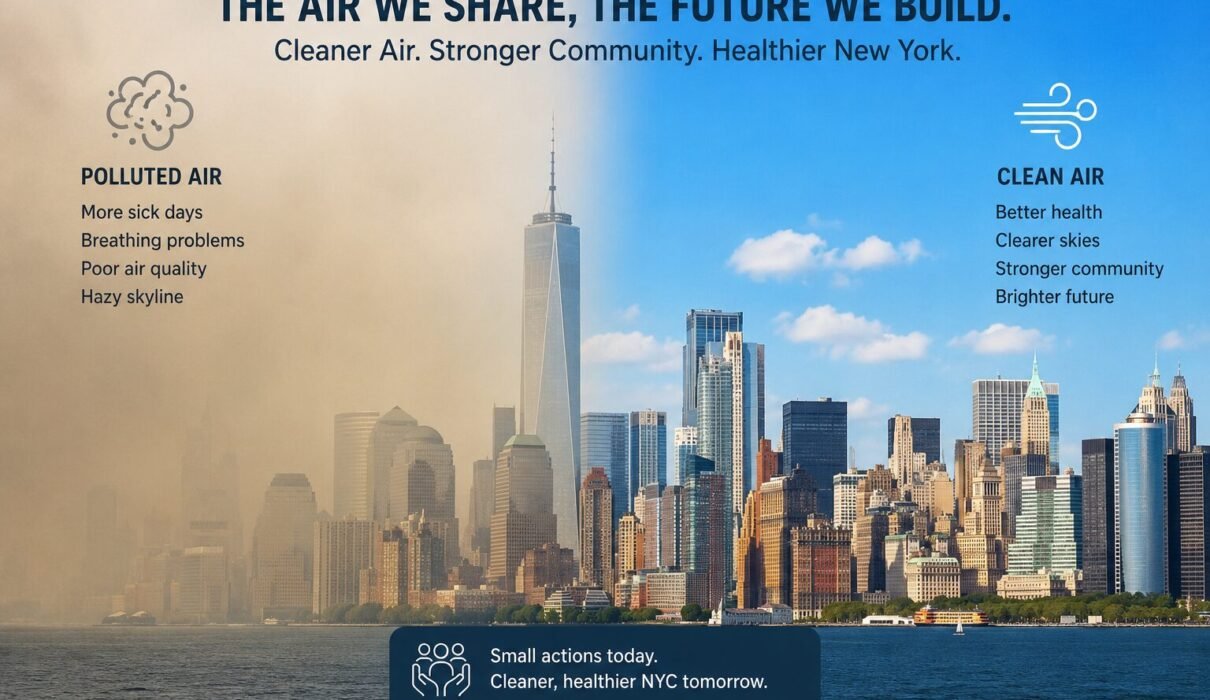
NYC’s air quality has improved over recent decades thanks to stricter emissions controls and cleaner transportation. However, challenges remain, particularly in areas near highways or industrial sites. Real-time data from the NYC Air Quality Portal shows fluctuating levels—spikes often coincide with hot days or wildfire smoke.
- PM2.5 levels occasionally surpass safe thresholds, especially during summer.
- Neighborhoods in the Bronx and Harlem typically report higher AQI due to traffic and building emissions.
- Weather events, like Canadian wildfires in 2023, can cause noticeable spikes citywide.
Top Sources of Air Pollution in New York City
Several main factors influence air quality in NYC:
- Vehicle traffic: Cars, trucks, and buses emit nitrogen oxides and particulates.
- Building emissions: Older buildings burning oil or gas for heat contribute to local pollution.
- Construction sites: Dust and debris add to local particulate levels.
- Industrial facilities: Factories and energy plants on the waterfront generate emissions.
- Wildfires and transported smoke: Events elsewhere can impact NYC air rapidly.
How Does Air Quality NYC Impact Your Health?
Who’s Most at Risk?
Certain groups are more sensitive to poor air quality in NYC, including:
- Children
- Seniors
- People with asthma or lung disease
- Pregnant women
- Outdoor workers
Short-Term and Long-Term Effects
Even short-term exposure to poor air can lead to breathing difficulties, irritation, or worsened asthma. Long-term exposure raises risks for chronic diseases, including:
- Asthma and allergies
- Chronic obstructive pulmonary disease (COPD)
- Heart disease
- Stroke
- Lung cancer
Air Quality NYC by Season: What to Know
Winter vs. Summer
NYC experiences seasonal air quality fluctuations. Winter usually brings better air, since trees aren’t releasing pollen and fewer pollutants form in cold weather. In contrast, summer’s heat and sunlight foster ozone and smog formation, often pushing AQI higher.
Special Events and Alerts
The city issues special advisories for high-pollution days, often due to:
- Heat waves
- Wildfire smoke reaching the East Coast
- Heavy traffic events or construction projects
Monitoring Air Quality in NYC: Tools & Tips
Where to Find Real-Time Air Quality Data
Before heading outdoors, check live AQI updates using trusted sources:
Apps for Monitoring on the Go
- AirVisual (IQAir)
- Plume Labs: Air Report
- EPA AIRNow App
Improving Indoor Air Quality in NYC Homes
Easy Steps to Cleaner Indoor Air
- Keep windows closed during high AQI days.
- Use HEPA air purifiers to filter indoor air.
- Avoid burning candles or using harsh chemicals.
- Vacuum regularly with HEPA filters.
- Ventilate kitchens and bathrooms properly.
Building Improvements for Lasting Change
- Upgrade to high-efficiency HVAC systems.
- Seal cracks and leaks to prevent outdoor air intrusion.
- Request building management to switch from oil to cleaner energy sources if possible.
What NYC Is Doing About Air Quality
Recent City Initiatives
New York City leads on policy to reduce emissions and improve air quality:
- Switching municipal vehicles to electric models
- Banning #4 and #6 fuel oils in buildings
- Investing in green roofs and tree planting
- Increasing fines for idling vehicles
Community and Nonprofit Efforts
Numerous organizations—like the NYC Clean Air Coalition—educate residents and advocate for cleaner air. You can get involved by volunteering or participating in local air monitoring projects.
Comparing NYC Air Quality: How Do We Stack Up?
| City | Average PM2.5 (µg/m³, 2023) | Days > AQI 100 (2023) |
|---|---|---|
| New York City | 10 | 27 |
| Los Angeles | 13 | 54 |
| Chicago | 12 | 31 |
| San Francisco | 9 | 12 |
Source: EPA, 2023
How You Can Help Improve Air Quality in NYC
Personal Actions Matter
- Use public transit, cycle, or walk to reduce vehicle emissions.
- Avoid idling your car engine.
- Choose energy-efficient appliances and lighting.
- Support local clean air initiatives and vote for green policies.
Get Involved with Community Efforts
- Join neighborhood tree-planting events.
- Participate in citizen science air quality monitoring projects.
- Advocate for better transit infrastructure and urban green spaces.
Key Takeaways
- Air quality in NYC is improving but still presents challenges.
- Pollution levels change by season, weather, and location.
- Poor air quality impacts everyone, especially sensitive groups.
- Monitoring and small daily actions can make a big difference.
- The city and many organizations are working hard for cleaner air.
Frequently Asked Questions About Air Quality NYC
Is NYC’s air quality safe to breathe?
Most days, NYC air is within legal safety limits. However, during summer and unique events like wildfires, pollution can spike. Always check real-time AQI if you have concerns.
What area in NYC has the cleanest air?
Generally, coastal areas and large parks (like Central Park or Prospect Park) experience better air, while areas near highways and industrial zones may be higher in pollution.
What’s the main cause of poor air quality in New York City?
Traffic emissions and aging building systems are the main contributors. Seasonal events like heat or fires can worsen air for short periods.
How does air quality NYC compare globally?
NYC ranks better than many major world cities but still deals with episodic pollution, especially in comparison to cities with extensive green spaces or lower population density.
How can I protect myself during high AQI?
Stay indoors, avoid strenuous outdoor activity, and use HEPA filters. Wearing N95 masks can also help during severe pollution events.
Conclusion
Air quality NYC remains a vital health concern for every resident and visitor. By staying informed, using practical strategies, and supporting community efforts, every New Yorker can take steps toward a healthier city. Next time you check the NYC skyline, remember—the air your family breathes is worth protecting.
Take Action for Healthier NYC Air Today!
Want cleaner air in your home and community? Stay updated, get involved, and never underestimate your individual impact. Every breath—especially in NYC—counts.