

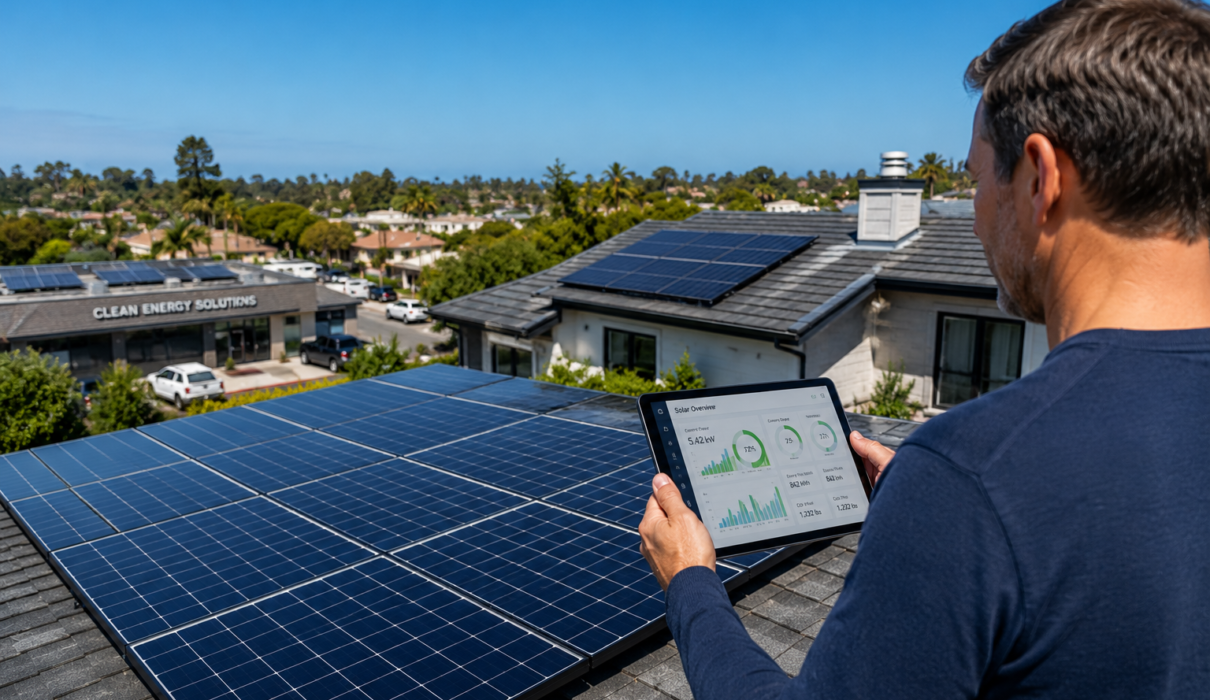
Hook: Imagine cutting your electric bill, increasing your property’s value, and lowering your carbon footprint — all by letting the sun do the work. Solar energy has matured from niche tech to a mainstream, cost-effective solution for homeowners and small businesses. This guide explains how it works, what it costs, how to install it, and which new technologies are changing the game.
What is Solar Energy and Why It Matters
Solar energy is the conversion of sunlight into electricity using photovoltaic (PV) panels or concentrated solar power systems. Over the last decade, solar power has become one of the most rapidly deployed renewable energy sources due to falling equipment costs, better financing, and supportive policies. Whether you’re looking to reduce monthly bills, increase energy independence, or make an eco-friendly investment, understanding solar energy is the first step.
How Solar Energy Works: A Simple Breakdown
Photovoltaic (PV) systems
Most residential and small commercial solar installations use PV panels. Here’s a quick flow of how a typical grid-tied PV system works:
- Sunlight hits PV cells in the solar panels.
- PV cells generate DC electricity.
- An inverter converts DC to AC electricity for home use.
- Excess electricity flows to the grid or charges a battery.
- Net metering or time-of-use systems credit you for exported power.
Solar + Storage
Adding battery storage captures excess solar generation for use at night or during outages. Popular battery types include lithium-ion and emerging chemistries aimed at longer life and lower cost. Solar-plus-storage increases resiliency and can maximize self-consumption.
Benefits of Installing Solar Energy
- Lower energy bills: Generate your own electricity and reduce grid purchases.
- Predictable energy costs: Lock in lower marginal electricity costs despite utility rate increases.
- Environmental impact: Cut carbon emissions by replacing fossil-fuel-based electricity.
- Higher property value: Solar-equipped homes and businesses often sell faster and at a premium.
- Energy independence and resiliency: With batteries, you can maintain critical loads during outages.
- Incentives and tax credits: Federal, state, and local incentives can significantly reduce upfront costs.
Cost Considerations: What Does Solar Energy Cost?
The cost of going solar depends on system size, panel quality, installer labor, permitting, and incentives. Here are the main components:
- Equipment: Solar panels, inverters, racking, wiring, and possibly a battery.
- Installation: Labor, roof work, electrical upgrades, and commissioning.
- Soft costs: Permits, inspection fees, design, interconnection, and financing fees.
- Incentives: Federal solar tax credit (ITC), state rebates, local incentives, and net metering credits.
As a rough ballpark (U.S. residential): before incentives, a typical 6 kW rooftop system in 2025 might range from $12,000–$20,000. After the Federal Investment Tax Credit (ITC) and local rebates, out-of-pocket cost can drop significantly. Commercial systems scale differently and often have lower per-watt prices due to size.
Factors that affect total cost
- Roof orientation and tilt — south-facing and unobstructed roofs are ideal.
- Shading — trees, chimneys, and nearby buildings can reduce production.
- Panel efficiency and warranty — higher-efficiency panels cost more but take less roof area.
- Inverter type — string inverters are cheaper, microinverters or optimizers handle shading better.
- Battery capacity — increases upfront cost but provides backup power.
Step-by-Step: How to Install Solar Energy on Your Property
Here’s a simplified installation journey, from first research to flip of the switch.
1. Energy audit and feasibility
- Review past utility bills to determine average usage (kWh).
- Assess roof condition, orientation, and shading; consider ground-mount if roof isn’t suitable.
- Check local zoning, HOA rules, and utility interconnection policies.
2. Design and proposal
- Request multiple quotes from licensed installers (at least 2–3).
- Compare system size, expected annual production, equipment brands, warranties, and guarantees.
- Ask for a performance estimate using tools like PVWatts or installer software.
3. Permitting and financing
- Installer typically handles permits and interconnection paperwork.
- Choose financing: cash, solar loan, lease, or Power Purchase Agreement (PPA).
- Confirm available incentives and how they apply to your financing choice.
4. Installation and inspection
- Racking and panels are installed, wiring completed, inverter mounted.
- Utility inspects and approves interconnection; local building inspector signs off.
- System is commissioned and turned on.
5. Operation and maintenance
- Monitor system performance through the inverter app or portal.
- Annual visual inspections and periodic cleaning (depending on local dust/pollen).
- Keep records for warranties and maintenance history.
Residential vs Commercial Solar Options
Both residential and small commercial customers can benefit from solar energy, but their priorities often differ.
Residential priorities
- Maximize self-consumption to lower monthly bills.
- Space constraints — higher efficiency panels may be preferred.
- Financing through home equity, solar loans, or cash purchase.
Small business priorities
- Maximize return on investment and reduce operating costs.
- Possible tax benefits: accelerated depreciation (MACRS) and the ITC for eligible businesses.
- Commercial rooftops or carport solar can provide larger installations at better per-watt pricing.
Latest Technology Trends in Solar Energy
Solar technology keeps improving. Here are trends to watch:
- Higher-efficiency panels: PERC, TOPCon, and heterojunction cells boost output per square meter.
- Bifacial panels: Capture reflected sunlight from both sides and increase energy yield.
- Advanced inverters: Smart inverters enable grid services, better monitoring, and enhanced safety.
- Solar + storage integration: Improved battery chemistry and management systems lower costs and extend life.
- Commercial software: Energy management platforms that combine solar, storage, EV charging, and demand response.
- Distributed energy resources and virtual power plants (VPPs): Aggregated residential and commercial systems can provide grid services and additional revenue streams.
How to Choose the Right Installer
Choosing the right solar installer is crucial. Use this checklist:
- Licenses and insurance: Confirm state contractor license and liability coverage.
- Experience and references: Ask for recent installations similar to yours and check reviews.
- Equipment transparency: Get brand names and model numbers for panels and inverters.
- Warranties: Look for a 25+ year panel performance warranty and multi-year workmanship warranty.
- Local knowledge: Installers familiar with local permitting and utility rules will save time.
- Clear contract terms: What happens if production isn’t met? Who handles maintenance and monitoring?
Financial Options: Which One Fits You?
Common financing methods:
- Cash purchase: Highest upfront cost but best lifetime savings and eligible for full tax credits.
- Solar loan: Low or zero-down loans spread cost; you own the system and claim incentives.
- Lease: Installer owns the system; lower upfront cost but fewer incentives.
- PPA (Power Purchase Agreement): Third-party owns the system and sells power at a set rate, often below utility prices.
Maintenance Tips to Keep Your System Efficient
- Schedule annual inspections for wiring, racking, and inverters.
- Clean panels when dust, bird droppings, or heavy pollen accumulate (follow safety guidelines).
- Monitor production trends—sudden drops may indicate shading, inverter issues, or panel faults.
- Keep vegetation trimmed to avoid new shading over time.
Common Barriers and How to Overcome Them
- Upfront cost: Use loans, state rebates, and federal tax credits to reduce initial expense.
- Roof condition: Replace or repair roofing before installation; consider ground-mount systems.
- HOA or permit hurdles: Know state ‘solar access’ laws and work with installers experienced in local rules.
- Shading: Use microinverters or power optimizers to mitigate shading impacts.
FAQ — Fast Answers About Solar Energy
How long do solar panels last?
Most solar panels have a useful life of 25–30 years. Manufacturers typically provide a performance warranty guaranteeing a certain percentage of original output (often 80–90%) after 25 years.
Will solar work on a shaded roof?
Partial shading reduces production. Microinverters or power optimizers help because they maximize output at the panel level. Alternatively, consider relocating panels to a less shaded area or using a ground-mounted system.
Can I go off-grid with solar energy?
Yes — if you size a system with sufficient storage and backup capacity. Off-grid systems are more complex and require careful planning around critical loads and seasonal variability.
Do I still need the grid?
In most grid-tied systems without batteries, you remain connected to the grid for night-time power and to receive credits for excess generation. Batteries can reduce reliance on the grid or allow temporary islanding during outages.
How do incentives like the ITC work?
The Federal Investment Tax Credit (ITC) allows homeowners and businesses to claim a percentage of the qualifying solar system cost as a tax credit. Check current ITC percentage and local incentives—rules change periodically.
Conclusion: Is Solar Energy Right for You?
Solar energy is a powerful option for homeowners and small businesses seeking lower energy costs, greater resiliency, and a smaller carbon footprint. With falling equipment costs, better financing, and smarter technology like batteries and smart inverters, there’s never been a better time to consider solar. Start by assessing your energy usage, get multiple quotes, and choose an installer who provides transparent performance estimates and strong warranties.
Ready to explore solar for your property? Use this guide’s checklist, ask the right questions to installers, and evaluate financing options to find the right path. Solar energy can be both a smart financial decision and a meaningful environmental contribution.
Further Reading & Tools
- Estimate production with NREL’s PVWatts for your location.
- Check local incentives via your state energy office or DSIRE (Database of State Incentives for Renewables & Efficiency).
Note: This article is informational and not financial advice. Consult a licensed installer and tax professional for tailored guidance.