

Introduction
The Presidential Records Act ruling has become an important topic in law, politics, and history. This law explains how official records of U.S. presidents are managed, stored, and shared with the public. Recently, the law has gained attention because of its impact on government transparency and accountability.
In this post, we will discuss the Presidential Records Act ruling, its requirements for federal agencies, and why it matters for preserving history and political accountability.
What is the Presidential Records Act?
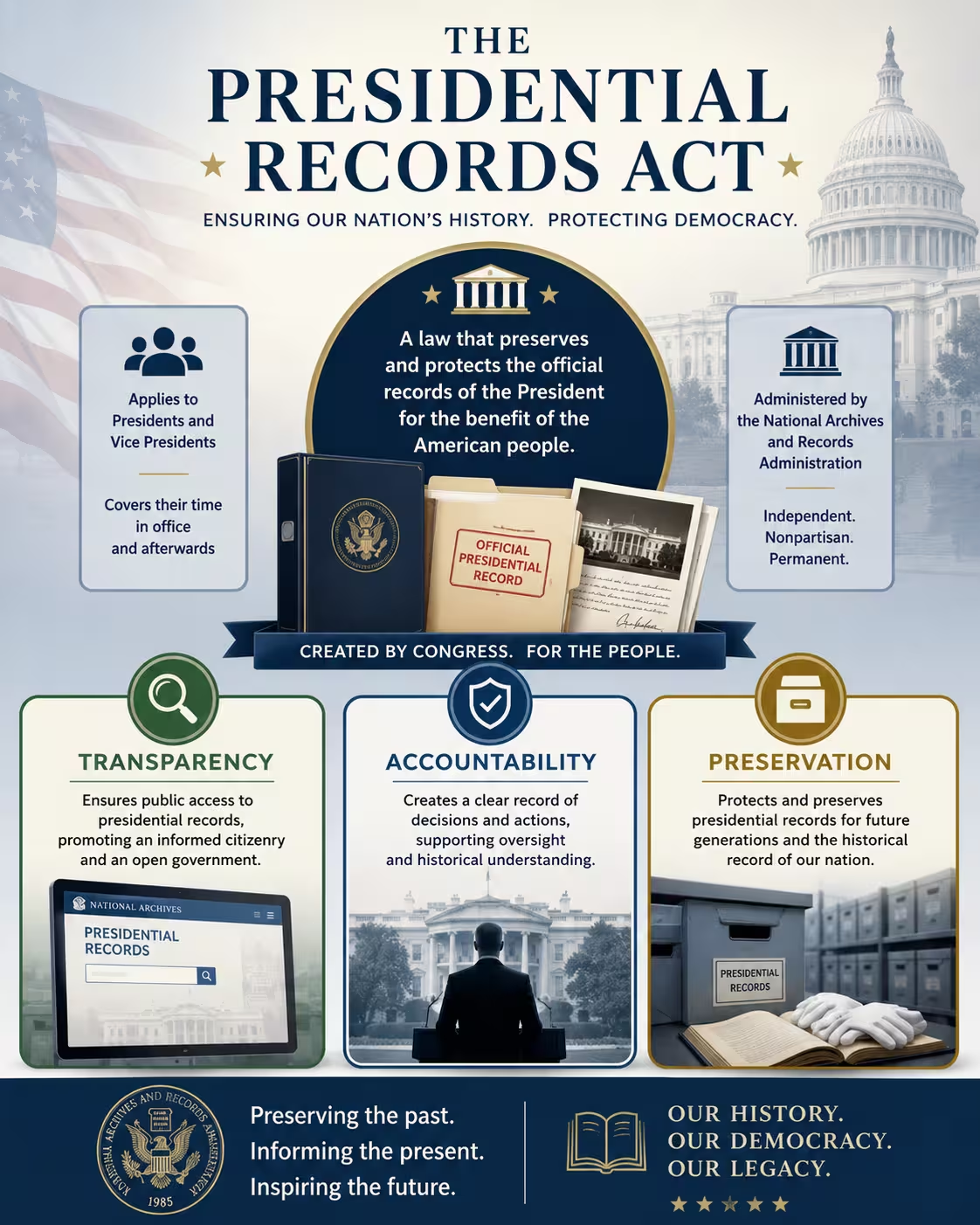
The Presidential Records Act (PRA) was passed in 1978. It states that records created or received by a president and their staff during office belong to the U.S. government, not the individual president.
The law helps preserve historical records and ensures the public can access important government information.
Key Provisions of the Presidential Records Act
- All presidential records are considered public property
- Presidents control the records during their time in office
- After leaving office, the National Archives and Records Administration (NARA) takes responsibility for preserving the records
- Most presidential records become available to the public after five years
The Recent Ruling: What Happened?
Recent legal cases have tested how the Presidential Records Act should be interpreted and enforced. The latest ruling highlights the need for strict compliance with the law.
This ruling affects both current and former presidents and reinforces the importance of properly maintaining presidential records.
Key Takeaways from the Ruling
- Federal agencies must fully comply with PRA requirements
- Failure to comply may lead to legal consequences
- Government officials are under greater scrutiny regarding record keeping
Implications for Government Transparency
The Presidential Records Act ruling has major implications for transparency in government operations.
Increased Public Access
As a result of the ruling, the public may benefit from:
- Better access to historical documents
- Faster and simpler record request processes
- Greater accountability for government officials
Compliance Requirements for Federal Agencies
Federal agencies must maintain strong systems for managing presidential records. The ruling emphasizes the importance of:
- Regular audits of record-keeping systems
- Training staff on PRA compliance
- Using technology to improve records management
Best Practices for Compliance
- Create a detailed records management plan
- Provide employee training on the PRA
- Review and update compliance procedures regularly
Impact on Political Accountability
Following the Presidential Records Act helps strengthen political accountability. When records are preserved and accessible, citizens can better understand and evaluate the actions of political leaders.
The Role of Transparency in Democracy
- Builds trust between citizens and government
- Supports informed public participation
- Strengthens checks and balances in government
Historical Record Keeping
Preserving presidential records is important for both present and future generations. These records help historians, researchers, and the public understand important political events and government decisions.
Importance of Historical Records
- Provides valuable context for future generations
- Helps historians study political history
- Improves public understanding of government operations
FAQs About the Presidential Records Act Ruling
Q1: What types of documents are considered presidential records?
Presidential records include documents created or received by the president or staff during the term in office, including emails, memos, meeting notes, and briefings.
Q2: How long do presidential records remain confidential?
Most presidential records become available to the public after five years, although some records may remain restricted for security or privacy reasons.
Q3: What happens if a president violates the Presidential Records Act?
Violations of the PRA may lead to legal actions or investigations, although enforcement has historically varied.
Conclusion
The Presidential Records Act ruling highlights the importance of transparency, accountability, and historical preservation in a democratic society. By ensuring presidential records are properly maintained and accessible, the government helps the public stay informed and engaged.
Understanding the Presidential Records Act allows citizens to better appreciate the value of government transparency and the role historical records play in preserving democracy.