

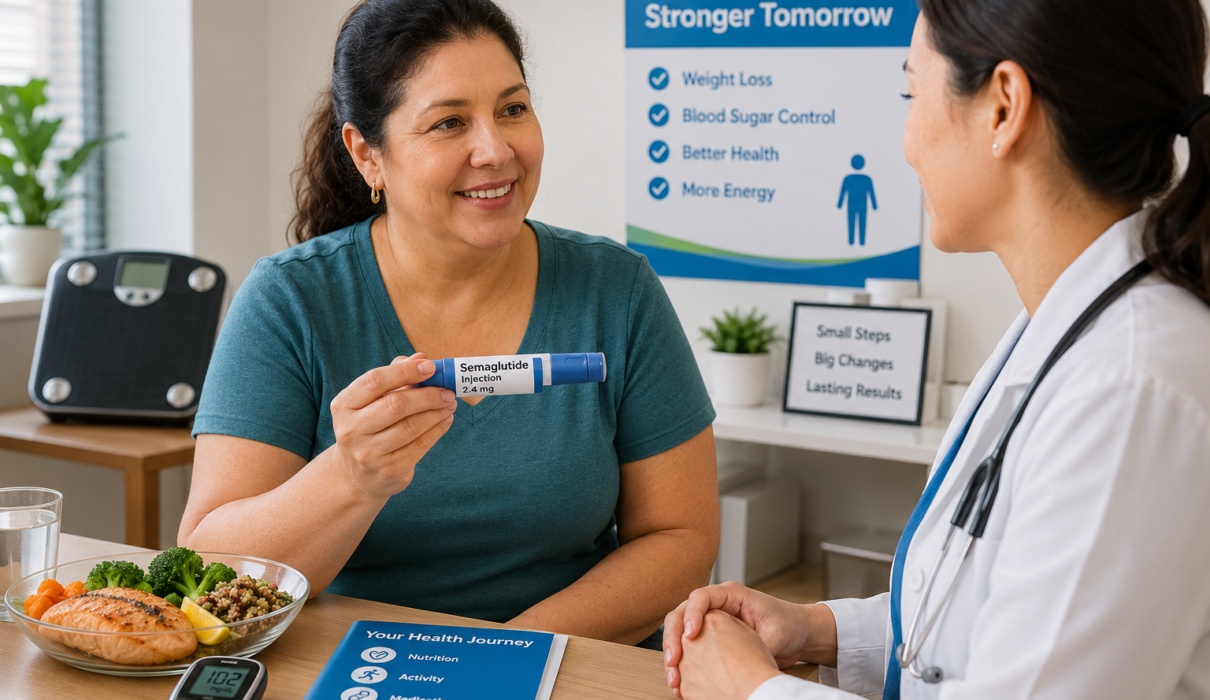
If you’ve been hearing about GLP-1 medications in the news or on social media and wondering whether they’re right for you, this guide can help. GLP-1 receptor agonist therapies are changing diabetes care and weight management, but they also raise important questions about effectiveness, safety, cost, and access.
Note: This article is for informational purposes only and is not medical advice. Always consult your healthcare provider before starting or changing medications.
What Is a GLP-1 Receptor Agonist?
GLP-1 receptor agonists, also called GLP-1 drugs, are medications that mimic the natural hormone glucagon-like peptide-1 (GLP-1). This hormone is released after eating and helps regulate blood sugar and appetite.
The Role of GLP-1 in the Body
- Stimulates insulin release when blood glucose is high
- Reduces unnecessary glucagon release
- Slows digestion and helps control blood sugar spikes
- Reduces appetite and supports weight loss
GLP-1 medications enhance these natural effects to improve blood sugar control and support weight management.
How Do GLP-1 Receptor Agonists Work?
Simple Explanation of How They Work
- They activate GLP-1 receptors in the pancreas, brain, and digestive system.
- They increase insulin release when blood sugar levels are elevated.
- They reduce appetite and help you feel full longer.
- They slow stomach emptying, which can reduce sudden blood sugar increases.
Why Glucose Dependency Matters
GLP-1 therapies mainly increase insulin when glucose levels are high, which lowers the risk of low blood sugar compared with some other medications. However, combining them with insulin or certain diabetes drugs requires careful monitoring.
Benefits of GLP-1 Receptor Agonists
- Improved long-term blood sugar control (A1C reduction)
- Weight loss support
- Lower risk of low blood sugar when used alone
- Possible heart health benefits with certain medications
- Potential improvement in blood pressure and cholesterol levels
Who May Benefit Most?
- People with type 2 diabetes needing improved glucose control
- People with diabetes who want support with weight management
- People with obesity who qualify for weight-loss treatment
- Patients with certain cardiovascular risks
Common GLP-1 Medications
- Exenatide: Available in daily and weekly forms
- Liraglutide: Used for diabetes and weight management
- Semaglutide: Available as injection and oral medication
- Dulaglutide: A weekly injectable option
- Lixisenatide: A daily injectable medication
- Tirzepatide: Targets both GIP and GLP-1 pathways
Important Differences
- Daily, weekly, or oral dosing options
- Different weight-loss results
- Different insurance coverage and costs
- Different side-effect experiences
Side Effects and Safety Considerations
Common Side Effects
- Nausea
- Vomiting
- Diarrhea or constipation
- Reduced appetite
- Injection-site reactions
Possible Serious Risks
- Pancreatitis in some cases
- Gallbladder problems
- Possible thyroid-related risks
- Low blood sugar risk when combined with other medications
Who Should Avoid GLP-1 Medications?
- People with certain thyroid cancer histories
- People with known allergies to specific medications
- Some pregnant individuals using them for weight management
Always discuss your personal medical history with your healthcare provider.
Dosing, Administration, and Monitoring
Most GLP-1 medications start with a low dose and gradually increase to reduce side effects.
- Weekly injections usually come in prefilled pens.
- Some oral versions must be taken on an empty stomach.
- Regular monitoring helps evaluate effectiveness and safety.
How Effective Are GLP-1 Drugs?
- Many GLP-1 medications lower A1C levels significantly.
- Weight loss varies depending on medication and dosage.
- Some newer medications have shown larger average weight reductions.
- Certain GLP-1 drugs provide cardiovascular benefits.
Results vary from person to person. Healthy eating, exercise, sleep, and lifestyle habits remain important.
Cost, Insurance, and Access
- Many GLP-1 medications can be expensive.
- Insurance coverage depends on your plan and medical reason for use.
- Some assistance programs may reduce costs.
Tips for Managing Cost
- Ask about alternative medications.
- Check insurance benefits.
- Look into available savings programs.
How to Choose the Right GLP-1 Medication
Discuss these factors with your healthcare provider:
- Your main goal: diabetes control, weight loss, or both
- Preferred dosing method
- Side-effect tolerance
- Insurance coverage
- Other health conditions
Lifestyle Tips While Using GLP-1 Therapy
- Follow a balanced eating plan
- Stay physically active
- Maintain good sleep habits
- Drink enough water
- Report ongoing side effects
Frequently Asked Questions
Can GLP-1 medications cause weight loss without lifestyle changes?
Many people lose weight because these medications affect appetite and fullness signals. However, long-term results usually improve with healthy lifestyle habits.
Are GLP-1 medications safe long-term?
Research continues to grow. Many medications have been studied extensively, but long-term decisions should be made with medical guidance.
Can people with type 1 diabetes use GLP-1 drugs?
They are not standard treatments for type 1 diabetes and should only be considered under specialist supervision.
What happens after stopping GLP-1 medication?
Blood sugar and appetite may return toward previous levels. Some people regain weight after stopping treatment.
What is the difference between Ozempic, Wegovy, and Rybelsus?
- Ozempic: Injectable semaglutide for type 2 diabetes
- Wegovy: Higher-dose semaglutide for weight management
- Rybelsus: Oral semaglutide for diabetes
Conclusion
GLP-1 receptor agonists have become an important advancement in diabetes and obesity treatment. They can improve blood sugar control, support weight loss, and provide benefits for some patients.
However, they are not suitable for everyone. The right medication depends on your health goals, medical history, side effects, and access considerations.
Always work with your healthcare provider to create a safe and effective treatment plan.