

Introduction
Few animals inspire as much awe and unease as crocodiles. These living dinosaurs have prowled waterways for millions of years, evolving into highly effective predators with a suite of adaptations that make them fascinating to scientists, photographers, adventurers, and conservationists alike. Whether you are curious about crocodile biology, planning a wildlife trip, or wondering how to stay safe near crocodile habitat, this comprehensive guide covers what you need to know.
Meet the Crocodiles: What They Are
What is a crocodile
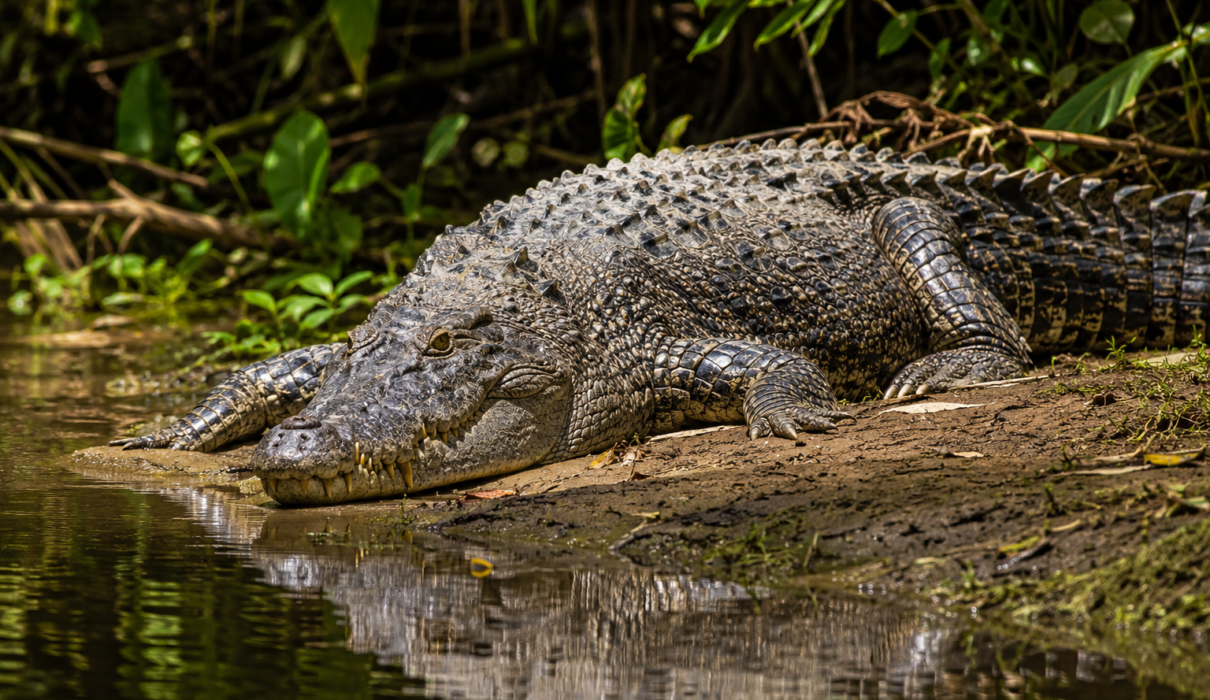
Crocodiles are large aquatic reptiles belonging to the order Crocodylia, commonly called crocodilians when grouped with alligators, caimans, and gharials. There are several species of crocodiles, including the saltwater crocodile, Nile crocodile, and American crocodile. Crocodiles are apex predators in many ecosystems and play important roles in maintaining ecological balance.
Key characteristics of crocodiles
- Strong, elongated snouts packed with sharp teeth designed for gripping and tearing
- Armored skin covered in tough, bony scales called scutes
- Powerful tails used for propulsion and defense
- Eyes and nostrils positioned on top of the head so they can breathe and watch while mostly submerged
- Ectothermic metabolism that relies on external temperatures for body heat
Where Crocodiles Live: Habitats and Distribution
Global distribution
Crocodiles are found in tropical and subtropical regions across Africa, Asia, the Americas, and Australia. Different species are adapted to varying habitats: freshwater rivers and lakes, estuaries, mangrove swamps, and even brackish coastal waters. The saltwater crocodile has the widest range and tolerates marine conditions better than other species.
Typical habitats
- Rivers and freshwater wetlands
- Swamps and marshes
- Mangrove forests and estuaries
- Sandy riverbanks and seasonal floodplains
Anatomy and Behavior: What Makes Crocodiles Unique
Physical adaptations
Crocodiles boast a suite of adaptations that make them successful hunters and survivors. Their teeth are designed for seizing and holding prey. A powerful bite force lets them crush bones and tough hides. Their nictitating membrane acts like a built in pair of goggles underwater. Sensory pits on their jaws detect vibrations and minute changes in water pressure, allowing them to locate prey in murky water.
Behavior and social structure
While often thought of as solitary, crocodiles display complex behaviors, especially during breeding season. Many species show parental care uncommon among reptiles: females guard nests and some carry hatchlings to water. Territorial disputes, basking hierarchies, and vocal communications are also part of crocodile life.
Diet and Hunting Strategies
What crocodiles eat
Crocodiles are opportunistic carnivores. Their diet depends on size and species and can include fish, birds, mammals, crustaceans, and occasionally carrion. Large adult saltwater and Nile crocodiles can take down ungulates and even sharks near coastal waters.
Hunting techniques
- Ambush: Lying motionless at water edges and lunging at prey with explosive power
- In-water stalking: Slowly approaching submerged prey using stealth
- Death roll: A rapid spinning maneuver to tear chunks of flesh from large prey
- Cooperative tactics: Occasional group behaviors during feeding events or when herding fish
Crocodiles and Humans: Safety and Coexistence
Understanding risk
Encounters between crocodiles and people usually occur when humans share coastal and riverine spaces for fishing, bathing, or recreation. Most crocodile attacks are linked to surprise encounters at water margins or during darkness. Awareness and respectful distance drastically reduce risk.
Practical safety tips
- Never swim in waters known to host crocodiles, especially at dawn, dusk, or night
- Avoid getting close to water edges where visibility is poor
- Keep pets and children away from shorelines
- Follow local signage and guidance from park rangers and authorities
- When boating, avoid lingering near banks and maintain vigilance
Conservation: Threats and How You Can Help
Major threats to crocodile populations
Despite their fearsome reputation, many crocodile species face threats. Habitat loss, pollution, illegal hunting for skins, human-wildlife conflict, and climate change all contribute to population declines in certain regions. Some species remain vulnerable or endangered.
Conservation successes and strategies
Several conservation programs have delivered positive outcomes through habitat protection, anti-poaching enforcement, and community-based management. Sustainable ecotourism has also provided economic incentives for local communities to protect crocodile habitat instead of exploiting it.
How you can help
- Support reputable conservation organizations that work on habitat protection and anti-poaching
- Choose tour operators that follow ethical wildlife viewing guidelines and contribute to local conservation
- Reduce pollution and prevent plastic and chemical runoff that can harm aquatic ecosystems
- Educate others about responsible behavior near crocodile habitats
Crocodiles in Culture and Tourism
Cultural significance
Crocodiles appear throughout human culture as symbols of power, danger, and mystery. From ancient Egyptian deities to contemporary indigenous stories, crocodiles have been both respected and feared. Understanding cultural perspectives can help craft conservation solutions that respect local traditions.
Responsible wildlife tourism
Seeing crocodiles in the wild can be a breathtaking experience when done responsibly. Guided boat tours in protected areas, photo safaris with trained guides, and educational centers that support research are positive ways to experience crocodiles without disturbing them.
How to Responsibly Experience Crocodiles
Best practices for wildlife viewing
- Book with certified guides who adhere to safety standards
- Keep noise low and avoid sudden movements that might stress animals
- Use long lenses for photography to avoid approaching animals
- Respect viewing distances and do not attempt to feed or bait crocodiles
Recommended gear and preparation
- Binoculars and telephoto lenses for safe observation
- Sun protection and hydration for riverbank or boat trips
- Local maps and up to date information on crocodile hotspots and seasonal behavior
FAQ
Are crocodiles dangerous to humans
Crocodiles are powerful predators and can be dangerous if people enter their territory or surprise them. Most attacks are preventable by following local safety advice and avoiding risky behavior in crocodile habitat.
How can you tell a crocodile from an alligator
There are a few visual differences. Crocodiles typically have a narrower V-shaped snout, while alligators have a broader U-shaped snout. Crocodiles also tend to show both upper and lower teeth when their mouths are closed, whereas alligators usually show only upper teeth. Habitat and geographic location also help identify species.
Do crocodiles make good pets
No. Crocodiles require specialized care, large enclosures, and can be dangerous as they grow. They are not suitable as pets and in many places keeping them is illegal without permits and licensed facilities.
Can crocodiles be rehabilitated if injured
Yes, wildlife rehabilitation centers sometimes rescue and treat injured crocodiles. Successful rehabilitation depends on species, injury severity, and available resources. Rehabilitation should be handled by trained professionals to ensure animal welfare and public safety.
What is the lifespan of a crocodile
Many crocodile species can live 50 to 70 years in the wild, with some individuals potentially living longer in protected environments. Lifespan varies by species and environmental conditions.
Conclusion
Crocodiles are living testaments to evolutionary resilience, mixing raw power with surprising behavioral complexity. They are crucial for the health of many aquatic ecosystems, and conserving them requires a mix of science, respectful tourism, local engagement, and policy action. By learning about crocodile behavior, respecting safety guidelines, and supporting ethical conservation efforts, you can appreciate these ancient reptiles while contributing to their long term survival.
If you are planning a trip to see crocodiles or want to learn more, check out the internal resources suggested below and consult authoritative conservation organizations for the latest guidance and research.