

The Complete Guide to Lottery Tickets: How to Play Smart, Improve Odds, and Stay Safe
Want to buy lottery tickets but not sure where to start? Or maybe you already play but want smarter ways to understand odds, avoid scams, and handle winnings responsibly. This guide gives practical, trustworthy advice for both new and seasoned players. Read on for simple steps, expert tips, and reliable resources to make informed choices when it comes to the lottery.
Why this guide matters
Buying a lottery ticket is an easy, exciting form of entertainment. But without reliable information you may misunderstand odds, fall for scams, or mishandle prizes. This guide aims to demystify the process with actionable advice and clear explanations so you can enjoy playing while protecting yourself and your money.
How the lottery works: basic mechanics
Types of lottery games
- Draw games (Powerball, Mega Millions, state draws)
- Numbers games (pick 3, pick 4)
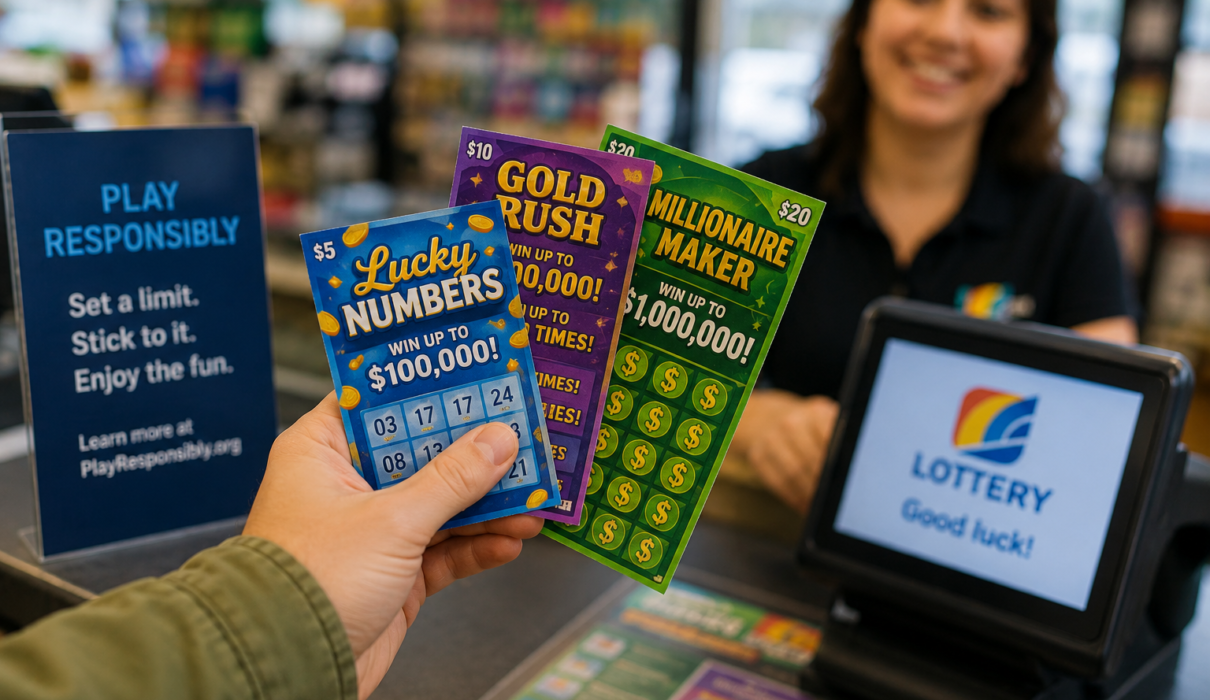
- Instant-win scratch-offs
- Syndicates and pooled tickets
Key elements in a draw
- Ticket purchase: choose numbers or use quick-pick
- The drawing: random selection of winning numbers
- Prize tiers: matching some numbers may still win smaller prizes
- Claiming window: time limits to claim prizes vary by jurisdiction
How to buy lottery tickets safely
Where to buy
- Authorized retailers: corner stores, gas stations, designated lottery retailers
- Official state lottery websites and apps where available
- Avoid third-party sellers or online marketplaces that aren’t licensed
Tips for safe purchases
- Keep your ticket: treat the paper or electronic record like cash
- Write your name and phone number on paper tickets
- Take a photo or screenshot of e-tickets and confirmation pages
- Check the drawing results from the official lottery source
Understanding odds: what the numbers really mean
Odds are the most important concept for rational players. Every ticket has a fixed probability of winning. Bigger jackpots usually mean longer odds.
Common misconceptions
- There are no ‘due’ numbers. Each drawing is independent and random.
- Buying more tickets improves your chances but usually only slightly unless you buy many tickets.
- Combining tickets in a syndicate increases your chance to win but splits the prize.
Examples and perspective
- Odds of winning a large national jackpot can be tens or hundreds of millions to one.
- Smaller prizes and scratch-off games often have much better odds but lower payoffs.
Smart strategies to improve expected outcomes
No legal strategy guarantees a jackpot. But a few sensible approaches can improve your experience, the chance to win smaller prizes, or the practical value of playing.
Practical tips
- Play for entertainment value: set a budget and stick to it.
- Consider smaller games for better odds: state games and daily numbers have higher chances of small wins.
- Join a reputable syndicate: pooling increases ticket coverage but requires trust and written agreements.
- Avoid expensive systems promising guaranteed wins—most are scams or mathematically flawed.
When buying multiple tickets makes sense
- If you want marginally higher odds for a specific draw, buy several tickets—but only within your budget.
- Use number diversity rather than repeating the same combination to reduce shared jackpots in case of a win.
How to choose numbers: quick-pick vs. self-pick
Quick-pick uses a random number generator and is the most common choice among jackpot winners. Self-pick gives you full control but does not change the odds.
Pros and cons
- Quick-pick: quick, random, often reduces chance of splitting a prize with others who pick simple sequences.
- Self-pick: personal satisfaction, but many players choose birthdays or patterns that raise likelihood of shared prizes.
Recognizing and avoiding lottery scams
Scammers prey on winners and hopeful players. Knowing the red flags can protect you from identity theft and fraud.
Common scam tactics
- Claims you won a foreign lottery you never entered
- Requests for upfront fees, taxes, or wiring money to release winnings
- Pressure to act quickly or secrecy requests
- Emails, calls, or social media messages claiming to be from lottery officials
How to verify legitimacy
- Check official lottery websites or contact the state lottery directly
- Legitimate lotteries never ask for payment to receive a prize
- If you receive a suspicious message, contact the Federal Trade Commission and local authorities
What to do if you win: protecting and claiming prizes
Immediate steps after a win
- Sign the ticket and make copies
- Store the ticket in a safe place
- Seek professional advice for large prizes: financial planner, tax advisor, and lawyer
Claim procedures and taxes
- Know your state’s claim deadlines and procedures
- Understand tax implications: large prizes are usually taxable income
- Decide between lump-sum vs annuity payments with professional guidance
Responsible play and budgeting
Lottery tickets should be a form of entertainment, not an investment or a way out of financial trouble. Use these rules of thumb to keep play healthy.
- Set a monthly entertainment budget and stick to it
- Never use money earmarked for essentials to buy tickets
- Seek help if gambling becomes compulsive; many states provide resources
Frequently Asked Questions (FAQ)
Are lottery tickets a good investment?
No. For most people, buying lottery tickets is not an investment because the expected return is negative after accounting for odds and prize distribution. Consider it entertainment with a potential reward.
Can I buy lottery tickets online?
It depends on the state or country. Some jurisdictions offer official online sales through a state lottery website or authorized app. Avoid unlicensed third-party sites.
What should I do if someone claims I won but asks for money?
Do not send money or provide personal information. Contact the official lottery authority in your jurisdiction and report the incident to the FTC or local law enforcement.
Can I remain anonymous if I win?
Some states allow anonymous claims or permit claims through trusts or LLCs; others require public disclosure. Check your local lottery rules and consult an attorney for privacy strategies.
Is there a best time or strategy to improve my odds?
The randomness of draws means there is no ‘best time’. To modestly increase the chance of winning something, play games with better odds or join a group to buy more tickets collectively.
Semantic variations and keywords to know
- lotto, lottery draw, jackpot
- scratch-off tickets, instant win, pick 3, pick 4
- ticket validation, claiming prizes, lottery scams
- syndicate, pooling, quick-pick
Authority resources and how to verify information
Always verify results, rules, and claim procedures using official lottery sites or trusted government sources. Authoritative resources include state lottery websites, the Multi-State Lottery Association, the Federal Trade Commission, and the Internal Revenue Service.
Conclusion
Lottery tickets can offer excitement and the dream of a major win, but playing wisely matters. Understand the odds, buy only from authorized sources, watch for scams, and plan for claiming prizes if you win. Treat play as entertainment, not a financial plan, and use trusted resources when you need help.
With clear expectations and responsible habits, you can enjoy the lottery responsibly while protecting yourself and your finances. Good luck, and play smart!