

Introduction
The current oil price is a hot topic for investors, businesses, and anyone affected by global markets. Whether you’re filling up your car or making strategic investment decisions, understanding what’s moving oil prices right now is key. Let’s break down the complex factors at play and see how you can stay ahead in a volatile market.
Understanding the Current Oil Price
What Does ‘Current Oil Price’ Mean?
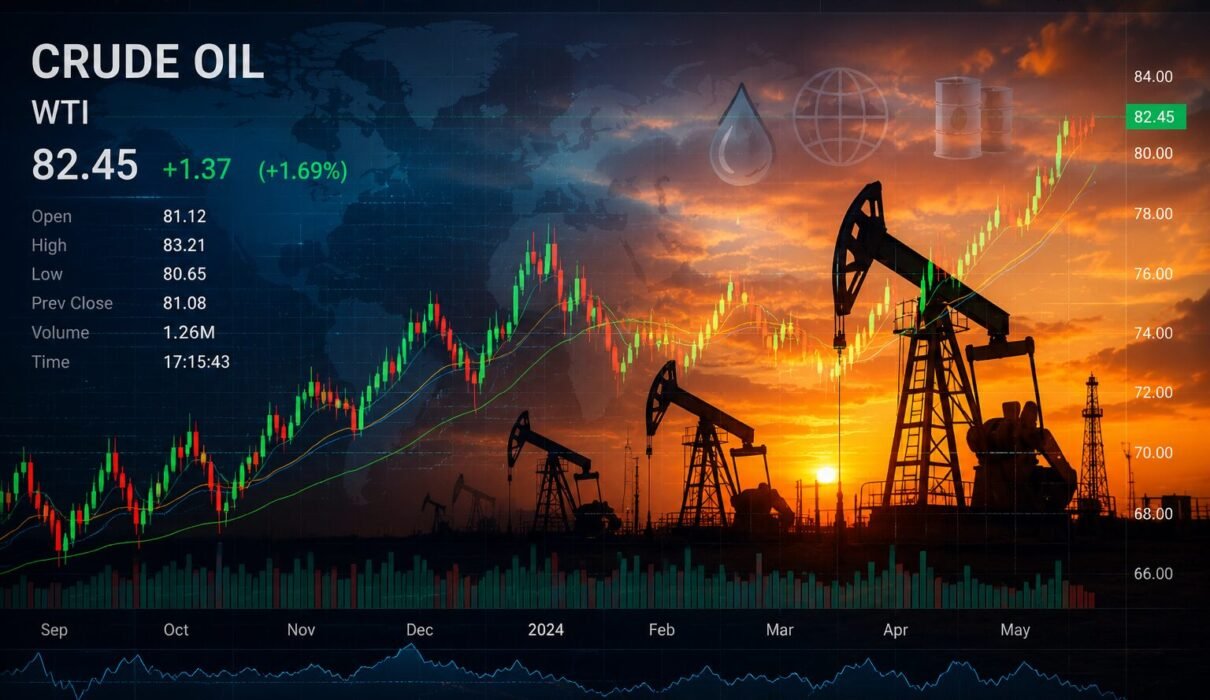
When you hear discussions about the current oil price, it usually refers to the spot price of benchmark crude varieties like Brent or West Texas Intermediate (WTI). These prices fluctuate throughout the day and are influenced by a combination of economic, geopolitical, and environmental factors.
How Oil Prices are Determined
- Global supply and demand
- OPEC+ production strategies
- Political stability in oil-producing regions
- Currency exchange rates
- Natural disasters and disruptions
Major Influences on Oil Price Movements
Supply and Demand Dynamics
Oil markets revolve around the basic principles of supply and demand. When economies grow, demand for oil rises, pushing prices upward. Conversely, oversupply or dropping demand can drive prices down.
Geopolitical Tensions
Political unrest in oil-rich countries can send shockwaves through the market. For example, sanctions, military conflicts, or regional disputes can disrupt supply and trigger price spikes.
OPEC and Production Decisions
The Organization of the Petroleum Exporting Countries (OPEC) and its allies (OPEC+) play a huge role by adjusting oil output. Even the announcement of a production cut or increase can influence the current oil price instantly.
Economic Factors Impacting Oil Prices
Global Economic Health
Global GDP, manufacturing activity, and consumer spending all affect oil demand. During economic downturns, demand falls, pushing prices lower. Economic booms can have the opposite effect.
Currency Exchange Rates
Oil is traded globally in US dollars. When the dollar strengthens, oil can become more expensive for overseas buyers, sometimes damping demand and affecting price movement.
Market Sentiment and Speculation
Role of Traders and Speculators
Financial markets play a significant part. Speculators in futures markets try to predict where oil prices are heading, buying or selling contracts accordingly. Their actions can make oil prices more volatile in the short term.
Key Oil Price Benchmarks
Brent vs. WTI: What’s the Difference?
| Benchmark | Location | Market Influence |
|---|---|---|
| Brent Crude | North Sea, Europe | Global (especially Europe, Africa, Asia) |
| WTI Crude | Texas, USA | Mainly North America |
Both Brent and WTI reflect the current oil price, but differences in quality and market conditions can result in price gaps.
The Role of Renewable Energy in Oil Pricing
Transitioning to Greener Alternatives
As investment in renewables rises, some analysts expect oil demand growth to slow in coming decades. In the short term, though, oil remains critical to global energy needs.
- Government policies supporting renewables
- Consumer interest in electric vehicles
- Corporate carbon reduction goals
Short-Term vs. Long-Term Oil Price Trends
Volatility in the Short Run
Recent events highlight just how violently the current oil price can swing – from pandemic demand crashes to rapid rebounds during economic recoveries.
Long-Term Forecasts
Analysts evaluate factors like technological innovation, population growth, and sustainability policies. History shows oil markets are cyclical, but the broader trend depends on both economic and environmental shifts.
Oil Price and Your Investments
Impact on Stocks and Commodities
Oil prices affect more than just energy company stocks. Airlines, shipping, manufacturing, and agriculture often feel the impact too. Understanding correlations can help shape better investment strategies.
Ways to Invest in Oil
- Buy shares of oil companies
- Trade oil futures and options
- Invest in oil-focused ETFs
- Consider indirect sectors impacted by oil price changes
How to Track the Current Oil Price
Tools and Resources
- Financial news platforms (Bloomberg, Reuters)
- Interactive charts from market data providers
- Government reports (EIA, IEA)
- Industry analysis and forecasts
Key Takeaways
- The current oil price is shaped by global supply and demand, political factors, and market sentiment.
- OPEC policies, economic trends, and renewables all play major roles.
- Volatility means that investors should stay informed and agile.
Frequently Asked Questions
What causes the current oil price to change so quickly?
Sudden events like geopolitical conflicts, supply disruptions, or economic news can affect trader sentiment and move prices rapidly.
Where can I find up-to-date information on oil prices?
Trusted sources include Bloomberg, the U.S. Energy Information Administration (EIA), and financial news portals.
How do OPEC meetings impact oil prices?
OPEC production decisions can lead to significant price swings, as markets anticipate changes in global supply.
Does a high oil price always mean higher gas prices?
Generally, yes, but local factors like taxes, refining costs, and supply chains also influence gas prices at the pump.
What’s the outlook for oil prices in the next decade?
While forecasts vary, many experts expect price cycles to continue, with long-term trends influenced by global energy shifts and policy changes.
Conclusion: Staying Informed to Make Better Decisions
The current oil price isn’t just a number – it’s a reflection of economic, political, and environmental factors converging every day. By tracking trends and understanding the drivers, readers can make smarter decisions, whether investing, budgeting, or planning for the future. Stay updated, use trusted resources, and don’t hesitate to adapt your strategies as the market evolves.
Ready to Make Informed Investment Decisions?
If you want to stay ahead of the market fluctuations, bookmark reliable oil price trackers and subscribe to industry updates. Knowledge is your advantage—start applying it today!