

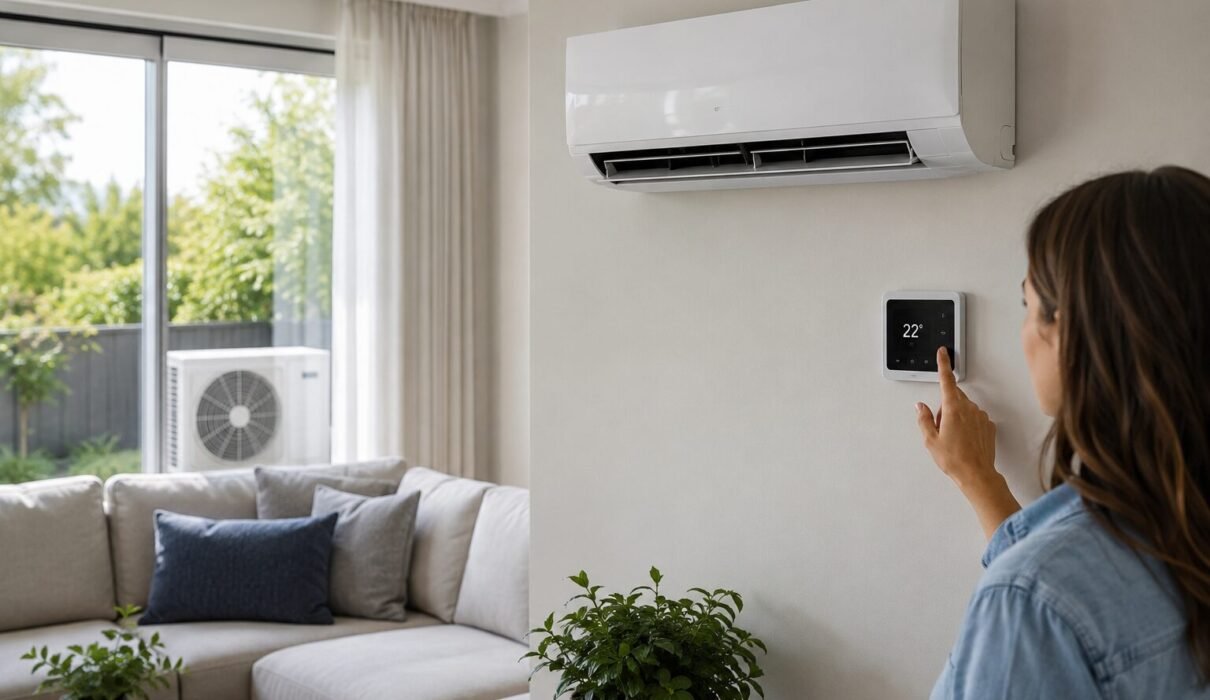
Introduction: Beat the Heat with the Right Air Conditioner
Sweating through sleepless nights or paying sky-high energy bills? Finding the right air conditioner can change both. Whether you need a window unit for a bedroom, a central air solution for your whole home, or a ductless mini-split for targeted cooling, this guide walks you through the essentials in plain language.
In this comprehensive article you’ll learn how air conditioners work, compare types, calculate the right size, understand installation and maintenance, and get smart tips to save energy and money. By the end you’ll be equipped to make an informed purchase and keep your AC running efficiently for years.
How an Air Conditioner Works (Quick, Simple Explanation)
An air conditioner moves heat from inside your home to the outside. It uses a refrigerant that cycles between liquid and gas, combined with a compressor and coils, to absorb indoor heat and release it outdoors. Key components include:
- Evaporator coil (inside) — absorbs heat from indoor air
- Compressor — pressurizes the refrigerant and moves it through the system
- Condenser coil (outside) — releases heat to the outdoors
- Expansion valve — regulates refrigerant flow and pressure
Common terms you’ll see when shopping: BTU (cooling capacity), SEER (efficiency rating), and refrigerant type (R-410A, R-32, etc.).
Types of Air Conditioners: Which One Suits You?
Central Air Conditioning
Best for: Whole-home cooling in houses with ductwork.
- Pros: Even temperature control, quiet indoor operation, can improve air filtration.
- Cons: Higher upfront cost, requires ducts and professional installation.
Split System and Mini-Split (Ductless)
Best for: Homes without ducts, added rooms, or zones needing independent control.
- Pros: Zoned cooling, high efficiency, easy installation for targeted areas.
- Cons: Multiple indoor units can raise cost, exterior compressor still needed.
Window Air Conditioners
Best for: Single rooms and renters.
- Pros: Low cost, easy to install and remove, good for small spaces.
- Cons: Can be noisy, blocks the window, less efficient than central systems.
Portable Air Conditioners
Best for: Short-term use or rooms where window units aren’t possible.
- Pros: Mobility, no permanent installation.
- Cons: Typically less efficient, require venting through a window kit.
Hybrid and Smart Systems
Modern systems may integrate heat pumps, connect to smart thermostats, and offer variable-speed compressors for precise control and better energy savings.
How to Size an Air Conditioner (Avoid Oversizing)
Buying the right capacity is critical. An oversized unit cycles on/off frequently, reducing comfort and efficiency; undersized units run nonstop and fail to cool properly.
Basic Sizing Guide (BTU and Square Footage)
- Up to 150 sq ft: 5,000 BTU
- 150–250 sq ft: 6,000–8,000 BTU
- 250–350 sq ft: 8,000–10,000 BTU
- 350–450 sq ft: 10,000–12,000 BTU
These are rough estimates. For central systems, HVAC professionals calculate heat load using Manual J, accounting for insulation, windows, occupancy, and local climate.
Energy Efficiency: What to Look For
Efficiency determines operating cost. Two key metrics:
- SEER (Seasonal Energy Efficiency Ratio) — higher SEER means better efficiency; in the U.S., modern systems range from 13 to 26+ SEER.
- Energy Star certification — indicates that a unit meets high efficiency standards.
Tip: Pair a high-SEER unit with a smart thermostat and good insulation to maximize savings.
Installation: What to Expect
Proper installation impacts performance and longevity. Central systems require refrigerant handling and ductwork, while split systems require mounting and refrigerant lines.
Hiring a Pro vs DIY
- Hire a licensed HVAC technician for central systems, refrigerant handling, and electrical connections.
- Window units can often be installed by handy homeowners, but follow safety and sealing best practices.
Questions to Ask Your Installer
- Do you perform a load calculation (Manual J)?
- Will the quoted price include permits, removal of old unit, and startup testing?
- What warranty and maintenance plan do you offer?
Maintenance Checklist: Keep Your Air Conditioner Efficient
Regular maintenance prevents breakdowns and preserves efficiency. A few simple tasks you can do:
- Replace or clean filters every 1–3 months.
- Keep outdoor condenser clear of debris and vegetation.
- Check for unusual noises, odors, or reduced airflow.
- Schedule professional tune-ups yearly (spring is ideal).
Professional maintenance includes checking refrigerant levels, inspecting coils, cleaning drains, and verifying electrical components.
Common Problems and Quick Troubleshooting
AC Not Cooling
- Check thermostat settings and filters first.
- Look for ice on the evaporator coil — could indicate low refrigerant or poor airflow.
Noisy Operation
- Loose panels, fan issues, or failing bearings can cause noise. Turn off and call a technician if unsure.
High Energy Bills
- Causes may include old equipment, poor insulation, dirty filters, or refrigerant problems. An efficiency audit can help pinpoint issues.
Buying Guide: How to Choose the Right Unit
Steps to make the right purchase:
- Determine your cooling needs: room-by-room or whole-home.
- Calculate proper size (or hire a pro for a Manual J load calculation).
- Compare SEER ratings and Energy Star models.
- Check warranty coverage (compressor vs parts) and service availability.
- Read reviews and compare real-world reliability — Consumer Reports and Energy Star lists can help.
Cost Considerations: Upfront vs Lifespan Costs
Upfront price includes equipment and installation. Long-term costs come from energy use, maintenance, and repairs. A higher-efficiency unit may cost more initially but save on monthly bills.
- Average lifespan: 10–15 years for a central system, 10+ years for split systems, shorter for portable units.
- Consider financing, rebates, and tax credits — many utilities offer incentives for Energy Star installations.
Smart Upgrades and Accessories
- Smart thermostats for scheduling and remote control.
- Air purifiers or enhanced filtration if you have allergies.
- Zoning systems for multi-level homes.
- Surge protectors for outdoor units to protect electronics.
Environmental Considerations
Modern refrigerants are more environmentally friendly than older types. When replacing an old unit, choose models with low global warming potential refrigerants and consider professional disposal or recycling of old refrigerants and components.
FAQ — Quick Answers to Common Questions
How often should I service my air conditioner?
Annual professional service is recommended, ideally in spring. Basic tasks like replacing filters can be done every 1–3 months.
Is a higher SEER rating always worth it?
Higher SEER means better efficiency, but the payback depends on your climate, usage, and electricity rates. In very hot regions, higher SEER units often justify their cost faster.
Can I install a window unit myself?
Yes, many people install window air conditioners themselves. Follow the manufacturer’s instructions for mounting, sealing, and electrical requirements.
How long does an air conditioner last?
With proper maintenance, central and split systems commonly last 10–15 years. Replacement may be sooner if repair costs approach the value of a new unit.
What size AC do I need for a 300 sq ft room?
Roughly 8,000–10,000 BTU for a 250–350 sq ft room. This is an estimate; factors like ceiling height, sun exposure, and insulation matter.
Conclusion: Make Smart Choices for Comfort and Savings
Choosing the right air conditioner involves balancing capacity, efficiency, installation complexity, and long-term costs. Start by defining your needs — single room or whole house — then size correctly, prioritize efficiency (SEER and Energy Star), and schedule regular maintenance. Small actions like changing filters, sealing ducts, and using a programmable thermostat can yield big comfort and savings gains.
Ready to shop? Get a load calculation, compare quotes from licensed installers, and check for local rebates. A well-chosen, properly installed air conditioner will keep you comfortable while keeping energy bills and environmental impact in check.