

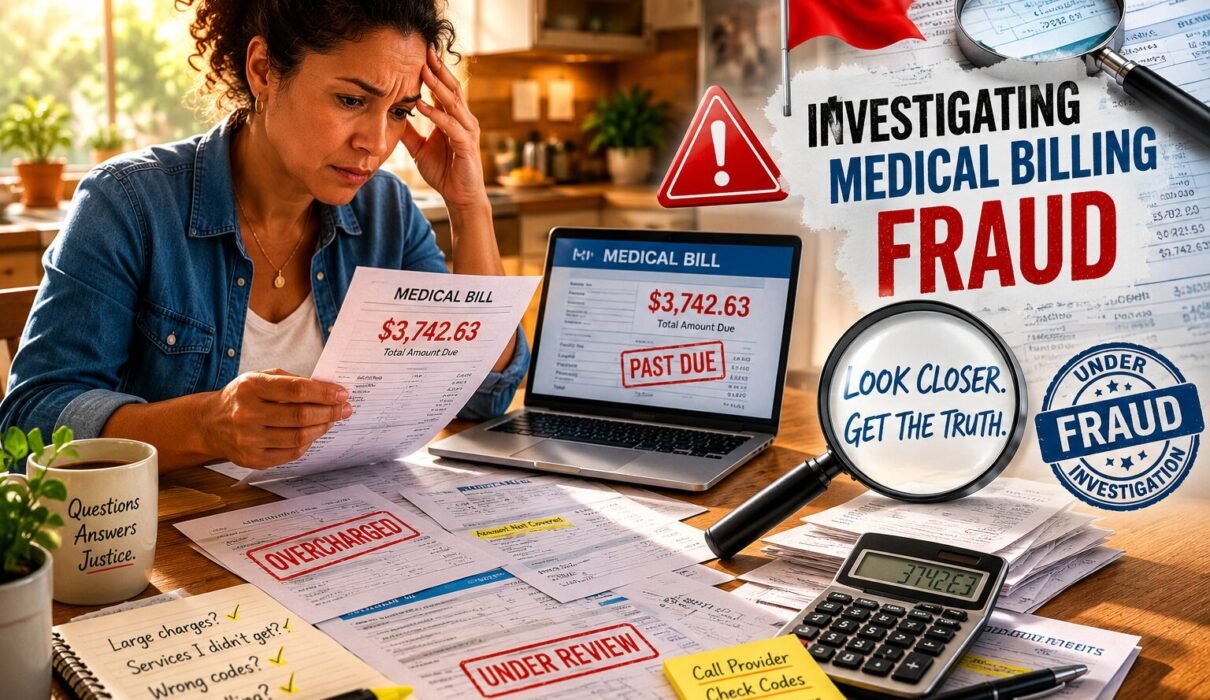
Did you know the U.S. government estimates tens of billions of dollars are lost each year to health care fraud? Whether you’re a provider, billing specialist, or patient, understanding health care fraud can protect you from financial loss, legal risk, and harm to patient care.
Introduction
Health care fraud is a major problem affecting patients, providers, insurers, and taxpayers. In plain terms, health care fraud occurs when someone intentionally deceives a health care program or insurer to gain money or benefits. That can mean anything from falsifying claims to billing for services that were never provided. This guide explains common schemes, detection techniques, prevention measures, and how to report suspected fraud. It’s written for health care professionals and patients who want practical, usable steps to reduce risk and respond effectively.
What Is Health Care Fraud?
Health care fraud (sometimes written as healthcare fraud or described as medical or billing fraud) covers a wide range of illegal activities. The defining element is intent to obtain unauthorized benefits or payments.
Common Types of Health Care Fraud
- Upcoding: Billing for a higher-cost service than what was provided.
- Unbundling: Submitting separate claims for services that should be billed together.
- Phantom billing: Charging for services or procedures never performed.
- Kickbacks: Receiving payment for referring patients or ordering tests/equipment.
- Duplicate claims: Submitting the same claim multiple times to get paid more than once.
- Identity theft and false enrollment: Using another person’s information for coverage or billing.
Who Commits Health Care Fraud?
Fraud can originate from different actors:
- Individual providers or staff
- Organized rings or third-party billing companies
- Patients (e.g., providing false information or sharing insurance cards)
- Durable medical equipment (DME) suppliers or pharmacies
Why It Matters: Impact of Health Care Fraud
Health care fraud increases costs for everyone and can undermine quality of care. Some key consequences:
- Higher premiums and out-of-pocket costs for patients
- Wasted public funds (Medicare and Medicaid losses)
- Damage to provider reputation and legal exposure
- Compromised patient safety if unnecessary or harmful treatments are performed
Red Flags: How to Spot Health Care Fraud
Detecting fraud often starts with identifying suspicious patterns. Below are practical signs to watch for.
Patient-Facing Red Flags
- Unexplained charges on an Explanation of Benefits (EOB) or bill
- Calls offering free equipment or services in exchange for insurance details
- Receiving services you didn’t request or authorize
- Repeated prescriptions or tests that don’t match your medical history
Provider and Payer Red Flags
- Sudden spikes in billing volume or unusual coding patterns (e.g., excessive use of high-level CPT codes)
- High percentage of outlier claims compared to peers
- Excessive billing for DME, home health, or specific high-cost drugs
- Multiple patients showing identical documentation or signatures
Prevention Strategies for Providers and Organizations
Effective prevention combines strong compliance programs, staff training, and technology. Here’s a step-by-step approach to reduce risk.
Build a Robust Compliance Program
- Create written policies addressing billing, documentation, kickbacks, and conflicts of interest.
- Appoint a compliance officer to oversee audits and reporting.
- Implement a clear code of conduct and consequences for violations.
Train Staff Regularly
- Conduct periodic training on accurate coding, billing rules, HIPAA, and spotting fraud.
- Use real-world examples in training to illustrate common pitfalls.
Use Technology and Auditing
- Adopt electronic health records (EHR) with audit trails to detect alterations.
- Implement pre-billing checks to flag inconsistent codes or duplicate claims.
- Run periodic internal audits focusing on high-risk areas (e.g., DME, home health, infusion services)
Strengthen Vendor and Contractor Oversight
- Vet third-party billing companies and require contractual compliance clauses.
- Monitor referral relationships and disclose any financial arrangements.
Prevention Tips for Patients
Patients can also play a crucial role in stopping health care fraud. Here are practical tips you can use right away.
- Review all medical bills and EOBs carefully; question unfamiliar charges.
- Keep a personal record of visits, procedures, and prescriptions.
- Only share insurance details with trusted providers; safeguard your ID and cards.
- Report lost or stolen insurance cards immediately to the insurer.
How to Report Suspected Health Care Fraud
Reporting suspected fraud helps protect others and can trigger investigations that recover funds. Here’s how to report and what to expect.
Where to Report
- State Medicaid fraud control units — each state has an office to report Medicaid fraud.
- U.S. Department of Health & Human Services, Office of Inspector General (HHS OIG) — for federal program fraud.
- U.S. Department of Justice (DOJ) — handles criminal prosecutions and civil fraud cases.
- FBI — for large-scale or organized fraud schemes.
- Private insurers — many have hotlines or portals to report suspicious billing.
What to Include in a Report
- Detailed description of the suspicious activity
- Dates, locations, and names of providers or companies involved
- Copies of bills, EOBs, or other documentation (redact personal details not relevant to the case)
- Your contact information if you’re willing to be contacted (some agencies accept anonymous tips)
Legal Consequences and Notable Examples
Consequences for committing health care fraud can be severe. Penalties vary depending on whether the fraud is civil or criminal.
Civil Penalties
- False Claims Act settlements and treble damages (three times the government’s loss) plus penalties per false claim
- Exclusion from federal health care programs (e.g., Medicare and Medicaid)
Criminal Penalties
- Fines and restitution to victims
- Imprisonment for individuals found guilty of criminal fraud
- Professional license revocation or suspension
Notable cases include large-scale DOJ prosecutions of fraudulent billing rings and settlements with hospitals and pharmacies involving millions to billions of dollars in repayments. These cases often rely on whistleblower (qui tam) actions under the False Claims Act.
Practical Examples: Real-World Scenarios
Understanding fraud through examples helps make prevention and detection concrete.
Example 1: Upcoding in an Orthopedic Clinic
An audit shows a provider billing advanced procedure codes at a much higher rate than peers for similar patient populations. Internal review finds chart notes do not support higher complexity. Steps: suspend claims, audit prior months, correct claims, notify payers, and report if intentional.
Example 2: Phantom Home Health Visits
Home health agency bills for visits that didn’t occur. A family member notices no visits were performed despite charges. Reporting to Medicaid results in investigation, repayment, and program exclusion.
Compliance Checklist: Quick Actions for Providers
- Maintain complete and contemporaneous medical records that justify billing
- Run monthly coding and billing audits
- Document all financial relationships and referrals
- Use secure, auditable EHR systems
- Respond promptly to payer audits and requests
FAQ
Q: What’s the difference between fraud and billing mistakes?
A: Fraud involves intentional deception to obtain unauthorized benefits. Billing mistakes are unintentional errors due to training gaps, system issues, or oversight. Intent and pattern matter—repeated errors that benefit the filer may be treated as fraud.
Q: Can a whistleblower get rewarded for reporting health care fraud?
A: Yes. Under the False Claims Act, whistleblowers (relators) can receive a percentage of recovered funds if their information leads to a successful government action. Consult an attorney before filing a qui tam suit.
Q: How long does an investigation take?
A: Investigations vary widely—from months to several years—depending on complexity, scope, and whether criminal charges are involved.
Q: What should I do if my provider’s bill looks wrong?
A: Contact the provider’s billing office first to request an itemized statement. If unresolved, contact your insurer and report suspected fraud to the appropriate state or federal agency.
Internal Linking Suggestions
- /about-us — About our organization and mission
- /resources/hipaa-compliance — HIPAA compliance best practices
- /blog/medical-billing-best-practices — Medical billing and coding tips
- /services/compliance-audits — Compliance audit services
- /contact — How to contact us or report concerns
Authority and External References
For further guidance and official resources, consult these authoritative organizations:
- U.S. Department of Health & Human Services, Office of Inspector General (HHS OIG): https://oig.hhs.gov
- U.S. Department of Justice, Health Care Fraud Unit: https://www.justice.gov/criminal-fraud/health-care-fraud-unit
- Centers for Medicare & Medicaid Services (CMS) — Fraud prevention initiatives: https://www.cms.gov
- Federal Bureau of Investigation (FBI) — Health care fraud investigations: https://www.fbi.gov/investigate/white-collar-crime/health-care-fraud
- State Medicaid Fraud Control Units — directory at HHS OIG: https://oig.hhs.gov/fraud/medicaid-fraud-control-units/
Conclusion
Health care fraud is costly and harmful, but it can be prevented and addressed with the right combination of awareness, systems, and action. Whether you’re a provider strengthening compliance, a billing specialist improving audits, or a patient reviewing your bills, small steps—like carefully checking EOBs, training staff, and using technology—can make a big difference. If you suspect fraud, report it to the appropriate authority; doing so supports patient safety and protects public funds.
If you’d like a fraud risk assessment or help setting up internal controls, check our compliance services or contact our team for a consultation.