

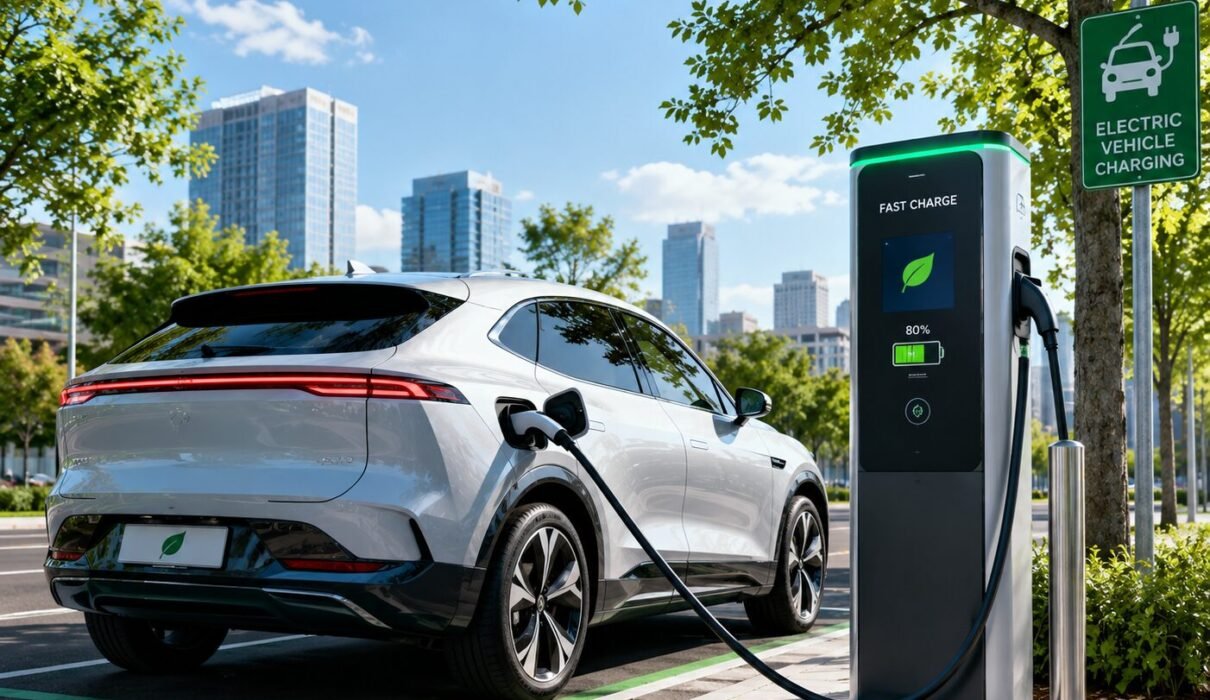
Introduction
Electric vehicles (EVs) are transforming the way we drive and think about transportation. With environmental concerns, rising fuel costs, and rapid advances in technology, electric vehicles have become a more attractive option for drivers worldwide. In this guide, we’ll explore why electric vehicles are worth your attention—from eco-friendly benefits and improved performance to long-term cost savings. Whether you’re curious about EV advantages, or you’re in the market to make the switch, this article will help you make an informed decision.
What Are Electric Vehicles?
Understanding the Basics
An electric vehicle is powered entirely or partially by electricity rather than gasoline or diesel. Modern EVs use large batteries to store electrical power, which is then used to run electric motors. Some main types include:
- Battery Electric Vehicles (BEVs)
- Plug-In Hybrid Electric Vehicles (PHEVs)
- Hybrid Electric Vehicles (HEVs)
How Do Electric Vehicles Work?
At their core, EVs have fewer moving parts than traditional cars. The energy stored in their batteries drives one or more electric motors, providing instant power and smooth acceleration. Charging an EV can happen at home or public charging stations, making it flexible for different lifestyles.
Environmental Benefits of Electric Vehicles
Lower Emissions
One of the most compelling reasons to choose electric vehicles is their environmental impact. Unlike internal combustion engine cars, EVs produce zero tailpipe emissions. This means greatly reduced air pollution in cities and neighborhoods.
- Zero tailpipe emissions reduce greenhouse gases
- Low carbon footprint, especially when using renewable electricity
- Less noise pollution compared to traditional vehicles
Comparing Gasoline and Electric Cars
| Aspect | Gasoline Car | Electric Vehicle |
|---|---|---|
| Tailpipe Emissions | High | None |
| Fuel Source | Petrol/Diesel | Electricity |
| Noise | High | Low |
| Maintenance | Frequent | Minimal |
Economic Savings: Are Electric Vehicles Cheaper?
Lower Fuel Costs
Charging an EV is usually cheaper than filling up with gasoline. According to recent studies, EV owners can save hundreds of dollars annually on fuel alone.
Reduced Maintenance
- No oil changes required
- Fewer moving parts, leading to less wear and tear
- Lower routine service costs overall
Incentives and Tax Credits
Many governments offer incentives, rebates, or tax credits for purchasing electric vehicles, further reducing the cost of ownership.
Performance and Driving Experience
Instant Torque and Smooth Acceleration
Electric vehicles deliver power instantly, which results in a quiet, smooth, and thrilling drive. Many drivers are surprised by the peppy acceleration and seamless gear shifts.
- Faster acceleration
- Quieter operation
- Lower center of gravity for improved handling
Innovative Features
New EVs are loaded with advanced technology like regenerative braking, smart navigation, and the latest infotainment systems. Over-the-air updates can also improve vehicle performance without a trip to the dealership.
EV Charging: What You Need to Know
Types of Charging
- Level 1 (120V): Standard home outlet, slowest charge
- Level 2 (240V): Home or commercial, much faster
- DC Fast Charging: Roadside stations, rapid charging for long trips
Charging Network and Accessibility
Public charging infrastructure is expanding rapidly, with networks of fast chargers available across cities and highways. Home charging solutions make it convenient for daily commutes.
- Find a compatible charger for your EV model
- Plan charging stops during long journeys
- Track charging status using apps or built-in dashboards
Range and Battery Life
How Far Can Electric Vehicles Go?
Modern electric vehicles offer ranges that fit most daily driving needs. Today’s best EVs can travel over 300 miles on a single charge, while more affordable models offer 150-250 miles per charge.
Battery Longevity and Warranties
- Batteries are designed to last 8-10 years or more
- Most manufacturers offer long-term battery warranties
- Proper charging habits extend battery life
Comparing Electric Vehicles: What to Look For
Key Considerations Before Buying
- Driving range: Choose an EV that suits your daily commute and lifestyle
- Charging options: Availability at home, work, or public stations
- Vehicle size and style: Hatchback, sedan, SUV, or truck
- Budget: Consider incentives and total cost of ownership
Popular Models in 2024
- Tesla Model 3
- Hyundai Ioniq 5
- Ford Mustang Mach-E
- Chevrolet Bolt EV
- Volkswagen ID.4
Technology Advancements in Electric Vehicles
Battery Innovations
Better batteries lead to longer range and shorter charging times. Solid-state batteries and new chemistry breakthroughs promise even faster improvements in the coming years.
Connectivity and Autonomy
- Built-in navigation optimized for EV charging stops
- Adaptive cruise control and self-driving features
- Smartphone integration for controlling car functions remotely
The Future of Electric Vehicles
Market Growth
The electric vehicle market is rapidly growing. Automakers worldwide are investing heavily in EV development, with more affordable and advanced models set to arrive over the next decade.
How Policy Shapes the Industry
- Government regulations support EV adoption
- Stricter emissions standards
- Expansion of charging infrastructure
Key Takeaways
- Electric vehicles offer significant environmental, economic, and performance benefits
- Advances in technology are making EVs more accessible and convenient
- Charging infrastructure is expanding rapidly
- EV running costs and maintenance are typically lower than gasoline cars
- The market for electric vehicles is set for major growth in the coming years
Frequently Asked Questions About Electric Vehicles
Are electric vehicles truly better for the environment?
Yes, EVs produce no tailpipe emissions and are generally more efficient, especially when powered by renewables.
How long does it take to charge an electric vehicle?
Charging times vary from 30 minutes with fast charging to overnight with a Level 1 charger.
Do EVs cost more to insure?
Insurance costs can vary, but as EVs become mainstream, premiums are becoming more competitive.
How much does it cost to maintain an electric vehicle?
Maintenance costs are typically lower due to fewer moving parts and no oil changes.
Can I take a road trip in an electric vehicle?
With growing charging networks, long-distance travel in EVs is becoming more practical than ever.
Conclusion
Electric vehicles are more than just a trend—they represent the future of transportation. Their environmental benefits, lower operating costs, and advanced technology make them a smart choice for drivers interested in sustainability and savings. As the technology matures and charging becomes even easier, now is a great time to consider making the switch to an electric vehicle.
Ready to Make the Switch?
If you’re thinking about buying an electric vehicle, research the best models for your lifestyle and take one out for a test drive. The world of electric vehicles is evolving fast—and you can be part of the change.